I don’t like WordPress’ way of displaying images. Actually, scratch that, I don’t like the way high-resolution images get displayed on monitors. I shoot my images at 12 megapixels, which equates to 4000×3000 pixels. The typical monitor has a resolution of 1920×1080, and as a result, huge images like that have their details blurred, what was a sharp line filled with definition and color comes out as an amorphous blob of color. I don’t know if things are going to improve when ultra-high res displays like Apple’s Retina or 4K televisions become mainstream, but consider me annoyed. Right now, I think the best way to distribute and consume photographs is through printed media, preferably on glossy paper printed with a commercial printer, framed and well lit. But for now, viewing images of such resolution through a monitor doesn’t quite communicate the intended experience.
In this particular set of pictures, I focus on doing interesting things with lighting, doing stuff like shooting a digital picture through a sheet of photographic film. I think I was successful in doing that. That said, I feel too many of the shots I take here feel derivative or unoriginal, mostly shooting in twilight to get the effect I want. I’ll figure it out.
The view from my dorm room on one of the last days of the school year. I like the desaturated colors of my room, it almost has a pseudo-vintage feel.This is me shooting the same view through a sheet of film. I should find a way to fasten it to my lens and use it like a filter.This is Scorch, my summer project for the year. More on it later.At AT&T ParkAround my neighborhood, I noticed the rows that the chimneys made and thought that could make for something interestingYosemite Valley from Glacier Point, as if this was the only image of the place that anyone has ever taken. 😛Half Dome towers over the valleyYes, I know its a derivative perspective, but I did it anyway. I just thought the gradient of color that you see in the sky looked really slick.Hiking up the valley wall.Rafting downriver, I wish I could have gotten more of the sky to show the sheer vastness of the place.Random chandelierFirst attempt at something resembling long exposure. I really liked this shot.From the park near my neighborhood, this swing doesn’t get used enough.From the night of July 4th, hiked up a nearby hill to shoot this.I like the interesting framing of this sunset (yeah, another derivative subject)I went through a short film photography phase early this year, until the price of processing broke me out of it. This one of Saint Cecilia’s cathedral in San Francisco is one of my favorite from that roll.More film shots, this is of the Sunset District looking south from Grandview Park, the place is like a cliffside facing the ocean.This, this is my favorite shot that I took in the last few months. Lens flare from the same park looking westward. You don’t get that with digital photography.Looking down Market Street, again, I feel like someone shot this picture before, but deal with it.City Hall, shot this quickly during the intermission of Video Games Live. Love the lightCame across a model of Yosemite Valley in front of Yosemite Valley, juxtaposed both the simulacrum of it and the real thing as a macro.SilhouetteI love how the setting son and smoky air casts this beautiful pink glow here.
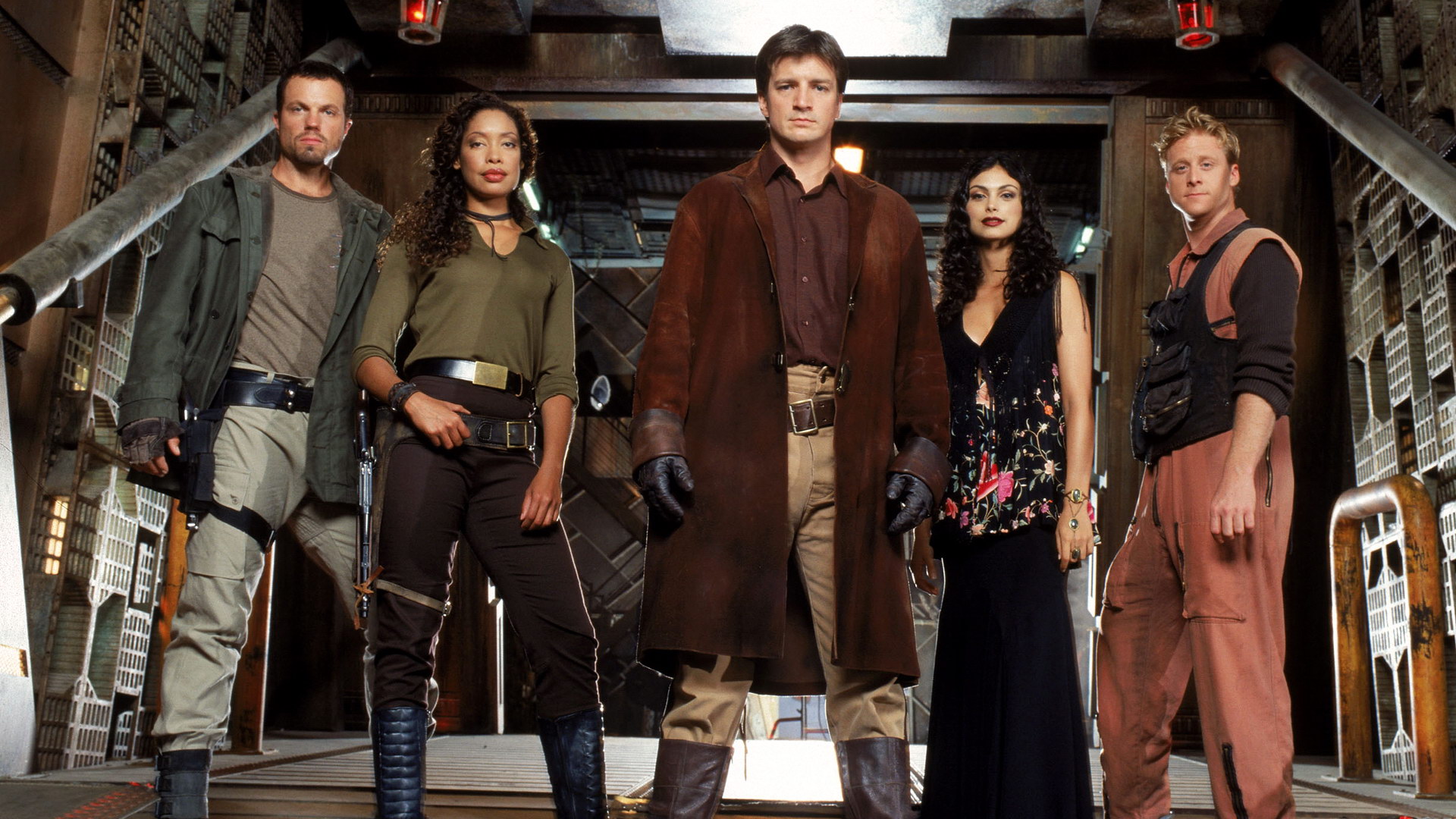
I’m as much a fan of Joss Whedon’s work as anyone else, and I’d jump at the opportunity to spend more time with the oft-dysfunctional crew of the Serenity, but count me surprised and somewhat cynical of the game. Right now, news of this project is yet another reminder of the main problem I have with licensed games: the mechanics of these games aren’t designed to promote the same aesthetics as that of the source material. Games are systems of rules and mechanics designed to create a certain emotional state, and distilling Firefly’s complex core appeal to a game system is very difficult. Even if the Firefly game looks and sounds like Firefly, it’ll utterly fail its audience if it doesn’t feel like Firefly.
Many of the licensed games that fail do so because they are dishonest to the source material from a mechanical standpoint. Consider the awful Harry Potter shooter: the Harry Potter books and films were about the Campbellian Hero’s Journey and a child’s coming of age in an increasingly dark world. While Harry does indeed fight Death Eaters in the source material, the series is fundamentally not about fighting, Harry Potter is about growing up, and the shooter’s mechanics do nothing to promote that core theme. While some superficial worldbuilding elements do exist, like wands, apparition, and expelliarmus, misinterpreting Harry Potter as a high-octane action game exemplifies ludonarrative dissonance.
No matter how much it looks like Harry Potter, this isn’t Harry Potter.
Same goes with Ghostbusters, while the game’s sound and graphics were honest to the original film, the game’s design wasn’t. Ghostbusters was about a group of academic expatriates going into business; a goofy rags-to-riches story, the Ghostbusters start from nothing and eventually grow to become nationally famous and save the world, all whilst fighting off clumsy government regulation. Ghostbusters the game forgoes the film’s core theme of small-time entrepreneurship to focus solely on the singular act of wrangling down and capturing a ghost. While this is definitely something the Ghostbusters do, it is absolutely not the reason why people love Ghostbusters. People love Ghostbusters for its situational comedy, goofy characters, and charming narrative about small-business, not for the heart-pounding excitement of wrangling down a poltergeist.
Which brings us to the Firefly MMO. When pitching the show, Joss Whedon described it as “nine people looking into the blackness of space and seeing nine different things”. That focus on characterization and relationships comprises the entirety of the show’s appeal, while the universe is imaginative and the battles exciting, worldbuilding and action aren’t the reasons people love Firefly, Firefly owes its popularity to the intense drama and cathartic comedy coming out of a near-dysfunctional crew of radically different and lovable characters. Fans treasure moments like Kaylee’s giddy excitement at the ball, or Jayne’s discovery that he has somehow become a legend amongst the people of Canton, not the intermittent shootouts that happen in each show. To adapt Firefly to a system of game mechanics and rules would necessitate replicating the same charming characterization and interpersonal relationships that make the show so appealing.
Man, these people were awesome.
This particular Firefly game is a “Social MMO” for Smartphones. I’m not exactly sure what that means, but I’ve had experience with both Social Facebook games and MMORPGs. “Social games” utilize Skinner-box design to facilitate social interaction in the form of using other people as a means to achieve personal progress in your farm or city. MMORPGs conversely reflect a narrative of capitalistic growth as players start from nothing and work up to great heights. Neither of these mechanics communicate what makes Firefly so appealing.
I don’t know what mechanics would effectively translate Firefly‘s core appeals to an interactive format. Maybe an Inara Ren’py dating simulator? A FTL-like management sim for Wash and Kaylee? Maybe if we were to go nondigital, a Firefly-inspired tabletop RPG would work to systemize that great characterization and relationships, after all, Serenity’s crew is about as functional as my own Dungeons & Dragons group, right down to the crazy psychic whose antics endanger everyone (me). Perhaps a version of a game like Mass Effect 2 with more non-combat things to do for characters like Book or Simon, after all, the game’s episodic, television-like structure allowed for a very deep level of characterization, the conversation system allowing for relationship-building to be systemized effectively.
Ultimately, whether or not the Firefly MMO is real, I take the news with trepidation. There is a lot of potential innovation out there in taking the diverse range of emotional experiences that film, literature, and television provides and translating them into game mechanics, heck, I secretly yearn for a Legend of Korra open-world RPG, the ethical implications of that show would make for an awesome morality-game. But when I see so many of these projects wind up terrible, I begin to think its something more than rushed production schedules and sparse budgeting, I think its a problem in the way studios approach game design.
I completed The Last of Us last week, one of the better survival horror games to come out recently, and probably the best this year so far. I also got the chance to play through The Walking Dead: 400 Days and came away slightly disappointed, its short-story structure made it feel like a prologue to Season 2 of Telltale’s series than its own, fully-realized game. Nonetheless, I liked the characters that were introduced and I’m excited to see where this new antagonist will take them.
The Walking Dead 400 Days
Two new articles have been published to The Artifice, both of them about zombies.
‘The Last of Us’ Review – My first video game review in two years. Its been a long time since I last critiqued a game, and I hope that my new style of writing about games could create some constructive conversation about the games. Another thing: playing a game on deadline is still not much fun.
Making Sense of the Zombie Apocalypse – Oh no, I’m doing that kind of writing. Here, I try to explain the current resurgence of zombie fiction by connecting it to Millennial’s fears, all whilst hoping not to come off as paranoid, crazy, or pretentious.
Also, I did a zombie-type game with my old team Subtle Stone about a year and a half ago. Its an arcadey style shooter for Windows built in XNA. I have major regrets about the interface in retrospect and think the controls could have been much better designed. Also, the default gun type should have dealt more damage and had a slightly shorter interval between shots. If I didn’t lose the game’s code in a hard drive failure, I would have gone back and changed that. Oh well.
I was part of the 2010 battle against Brown v. EMA, the Supreme Court case that would have resulted in the loss of First Amendment rights for video games and interactive media if lost by criminalizing the sale of games deemed violent to minors, essentially equating them to alcohol and tobacco. From a semiotic perspective, this is obviously wrong, labeling creative works under the signifier “societally harmful” is idiotic in self-explanatory ways. I wrote petitions to Congress and AB 1179’s creator, California State Senator Leland Yee, canvassing signatures at my school and in the local neighborhood, telling passerby about the stakes of the case and what it would mean for the industry if lost. Over the course of a few days, I accrued well over 200 signatures. I received responses from the senator’s office and we met to discuss the issue some weeks later.
We didn’t necessarily see eye-to-eye. My interest in the artistic and cultural value of games informed my justification for their protection and preservation. The Senator, a former child psychologist, was more concerned about the potential for psychological harm that games could do onto young players. In retrospect, it would have seemed that we conversed about two completely different things.
I think there’s a better way to face controversy than clumsily defend ourselves.
Months passed, and the Supreme Court ruled to support AB 1179’s revocation. Gamers represented by the Entertainment Consumers Association and developers represented by the Entertainment Software Association celebrated. The First Amendment’s protections now encompassed video games. At that time, we believed that the debate over game violence was over. By July 2011, when the court’s ruling was announced, I was tired of defending games. I had done extensive research and canvassing, wrote a biweekly series of articles on my previous blog, and proselytized the merits of games everywhere I went. “Great, its settled,” I thought to myself, “Time to move on.”
But it wasn’t time to move on.
As a participant in game culture, I don’t feel represented in mainstream news media. It would seem that whenever video games are brought up on the news networks, it is almost universally in a negative light. Go to Google News and type in the phrase “video games”, and count off the number of stories that frame games as negatively. It’s almost aggravating to think that these are the stories that inform much of the world’s thinking about video games. While more people than ever are playing games, the wider societal conversation about the medium has barely changed.
Whenever we see representatives from the industry brought onto the news networks, they are almost always put in a defensive position. Being asked to argue why games aren’t harmful to society, rather than how they do good. If the only message we can broadcast to the greater world is that “we’re not harmful”, what does that then say about our medium? If the only thing that society thinks of video games is “not harmful”, how can we count on society to defend the industry when its brought under scrutiny? If the only thing we bring to the talk shows is “there’s no conclusive proof”, how does that frame us in the eyes of the world?
The G4C Festival continues to do great things as it emerges from the fringes of academia.
Something needs to change about the conversation going around video games.
Instead of defending video games when they’re under fire, it’s time for us to move to the offensive. This is time for us to show the best we can do. It is time for us to tell the story of how we learned to read by playing Pokemon. The story of how a loosely-connected fandom united to create a sophisticated and renowned fighter. The story of how an elementary school in San Francisco taught Ancient Egyptian history and culture through Minecraft. Of how a high school theology program turned to Mass Effect and Fallout to describe the divide between moral deontology and teleology, as well as moral absolutism and relativism. Of how a first-person shooter inspired tangential learning about postmodern literature, aburdist theater, and quantum physics.
I can attest to these stories because I was, in one way or another, personally connected to each of them. To change the conversation, we must educate the public and politicians about the myriad merits of video games. This is especially important in light of the Sandy Hook tragedy: as a society, we must do far better to honor the young lives that were lost that day than scapegoat and bicker amongst ourselves. We cannot honor the lost by creating negativity in the world, we can only do so by creating good.
I’m not here to argue that we’re not beyond self-questioning or self-reform, especially given the conversation over gender at GDC, there’s a lot we need to move past as the limits of our medium rapidly expand. And I’m especially not here to defend violent games, one look at a violent combat segment out of context from recent games, and it becomes easy to understand why pundits paint the medium as a cesspool of puerile savagery. All I’m trying to say is that when the term “video games” come up in the media, they shouldn’t be associated with the bleak miasma of sadness and cynicism that we’ve come to expect, but rather shine a light of joy and levity to break continuous chains of consistently dark stories. We’ve been having the same conversations about gaming for forty years, its time to move on.
James Portnow, writer of Extra Credits, is attempting to lead the charge with his Games for Good project
To achieve this will take work.
James Portnow, writer of the Extra Credits web series, is running a crowdfunded campaign on Rockethub to change the memetics around games through education and information. The campaign is called Games for Good, and if successful, Portnow will spend the next year lobbying in Washington to stop anti-game legislation and change the way grants are provided for game projects that do social good. A major stretch goal, set at $75,000, will allow the project to hire a PR firm to promote the idea and make sure the industry is consistently sending off a positive message to the world.
I’m certain I’m not the only one who cringes every time I see biased or misleading information about games appear in the mainstream media, nor am I the only one who has had their moral upworthiness questioned when introduced to new people. So, if you believe its time to move past negativity and bring genuine smiles to peoples’ days, check out Portnow’s Rockethub campaign. Rockethub works much like Kickstarter and Indiegogo, so if you find yourself unable to contribute financially, you can still help the project by sharing it with your friends. Games for Good is a matter of memetics, and it posits that we can change the predominant ideas around games and celebrate them as an important facet of our culture. Together, maybe we can.
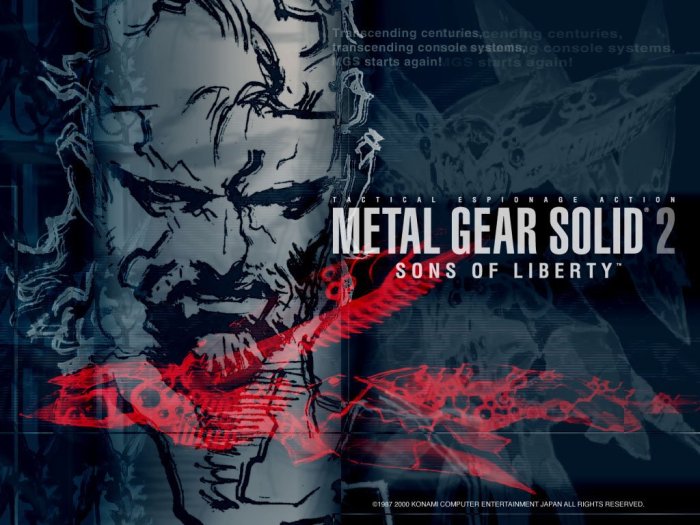
My newest article for The Artifice is online! Its an analysis of three postmodern games that feature metacommentary on their form! One of my better pieces I believe. I cover Bioshock Infinite, Spec Ops: The Line, and Metal Gear Solid 2 respectively in it, give it a read.
Believe it or not, Metal Gear Solid 2 shares a lot with this fountain.
And I’m working on a new gaming site/channel with a few friends! Check out a test preview of our podcast! We’re working out a few kinks, but we’ll be ready within the month!
I’ve been playing “The Last of Us” for a review for The Artifice next week. Let’s just say its one of the better survival horror games to come out this generation.
Now that no new information is going to be revealed over the threat of the graphical plateau driving development costs to destructive heights, we can officially say that the drama of the press conferences is finally over. On that note, let’s talk about games journalism! Here are a number of channels and newssources whose thoughtful content I enjoy substantially. If you like the kind of stuff I write here or on The Artifice, check these places out, its likely that they do what I do way better.
Super Bunnyhop – This is a very intelligent Youtube channel giving smart, well researched, and highly interesting (if not a tad cynical) criticism and analysis of games and gaming news. Check out their Critical Close-Up of Metal Gear Solid 2, its the most accessible and creative analysis of its kind.
Errant Signal – Excellent and educated analyses of recent games, I think Campster is a game studies scholar. Check out his videos on Spec Ops: The Line and Kinaesthetics, they informed a lot of the research I did on the game.
Rev3Games – Youtube channel made out of TechTV and X-Play expatriates, including the fantastic Adam Sessler, who states that being freed from the time constraints of television has allowed him to go more in-depth with his criticism and previews of upcoming games, incorporating elements of game studies and critical theory shockingly missing from mainstream games journalism. Not to be missed is his weekly rant series Sessler’s Something, where he opines on recent news each monday.
Extra Credits – Almost everyone I know at game school watches and loves this show. Smart, terse, and very funny, this not only the best educational series for game-students around, but an excellent introductory show for people who want to study and understand games from a deeper level.
Kill Screen – Fans of Tom Bissell’s Extra Lives: Why Video Games Matter take note, as this is essentially a response to that fantastic book. Going above and beyond the medium, Kill Screen discusses games with a distinct and unique voice, going into many fantastic places in terms of society and culture.
Polygon – This online magazine gives scintillating coverage of current events in the game industry, giving host to some fantastic opinion articles and journalistically-ethical reviews.
Gamasutra – Everyone in the gaming industry already reads this, but for the unfamiliar, this publication is managed by the people behind GDC and gives host to wonderful writers and critics such as Leigh Alexander and Ian Bogost, as well as yours truly.
Well, I hope you like those sites, check them out. They’re my conduit for what’s going on in the industry right now. If you have any recommendations, share them in the comments.
All the press conferences have wrapped up and all that’s left for now is for each of the companies to exhibit their upcoming games. Nothing quite as eventful or dramatically over-the-top as yesterday, just some really impressive games, especially from Nintendo.
Super Mario 3D Land
Let it be known that I love Nintendo. My first console was a N64, and if it wasn’t for that gateway to the medium, I wouldn’t be the person I am today. Nintendo is this industry’s most valuable asset because they’re the last big company out there that specializes in the creation of childhood memories. Consider the offerings from the other AAA publishers, violent action games targeted at young adults, no wonder why the mainstream media has such a negative perception of this medium. As wonderful and impressive as they are, Metal Gear Solid V and Watch Dogs aren’t going to be any kid’s childhood memories as they simply don’t exist to serve that young audience. Heck, consider the beloved Naughty Dog, and their constant shift to appeal to a grittier, more adult audience with their progression from Crash Bandicoot and Jak to Uncharted and The Last of Us. Consider iOS games, will their simplified design, ample micro-transactions, and lack of a defining brand identity create the kind of treasured childhood memories for upcoming generations of gamers? Nintendo brought us out of the Great Crash of 1983 and were responsible for the Casual Revolution of 2006, an essential step that took us where we are now as an industry. To see Nintendo continue to flounder as they did this past year would be devastating to our medium.
And that said, Nintendo’s upcoming lineup is the strongest it has been in ages. Pokemon X and Y transition to fully rendered 3D worlds, a first for this beloved series. The Legend of Zelda: A Link Between Worlds is a sequel to A Link to the Past, which happens to be the very first Zelda game that I completed alone, making it a seminal and important game in my life. Super Mario 3D World is the series’ prettiest looking game in years, and the possibilities of a portable Smash Bros. that fits into our busy daily lives sounds incredible beyond words. Five year olds of the world, get excited, you’re about to join this great medium via the same treasured and beloved series that were part of our lives as youth. And in all our bitter cynicism towards the future of AAA, our ire towards the puerile and misogynistic members of our community, and all our giddiness over the possibilities that the indie shift can create for our medium, just take comfort in that there will remain a space for that innocent childhood wonderment.
I followed much of the E3 coverage throughout today and was increasingly embittered and grew increasingly cynical at the presentations that each of the companies had to offer.
My frustration and disappointment towards Microsoft is incredible, their exhibition inspired nothing but annoyed cynicism from me. A total failure to address the ethical controversies that I raised in my last post regarding internet connectivity as factor that excludes the poor from participating in game culture sends the message that Microsoft is simply oblivious to the complaints of its fanbase. This disconnect from reality is further solidified considering the Xbox One’s evident lack of an audience. Simply put, if the Xbox One’s target demographics are mainstream families looking for an all-in-one entertainment system, there is no way that they would be attracted to purchasing a $500 system on the first day. Hardcore gamers, as much as I regret using that term, are the early adopters that purchase consoles at launch. Families looking for a home entertainment system aren’t going to want to purchase an entertainment system like that until the price goes down substantially. With hardcore gamers being turned off by restrictive DRM policies, and families turned off by the restrictive price, the Xbox One has no audience at all.
The depiction of women at the conference was rather frustrating, especially given the tasteless rape joke at Microsoft’s press conference. Awkwardly scripted intentionally by whatever executives were responsible for this trainwreck, it maintains the “us and them” mentality that paints gamers as a group of immature nerds. Its the exact opposite of what we need as an industry.
Now that I have that off my chest, what’s with the trend to show a prerendered, or at least in-engine, cutscene, and call that a “gameplay trailer”? Prerendered footage doesn’t tell us jack about a game. While Watch Dogs‘ slick trailer and Assassin’s Creed’s deep blue sea may look cool, we’re attracted to games for their interactive nature, spectacle makes for good marketing, but in the end, its meaningless when we’re creating a cultural product whose value hinges on interactivity. Who cares about your visual style and story world when your fundamental mechanical structure is a mystery?
Mirror’s Edge gets a second chance.
Out of the conferences, Mirror’s Edge 2 was the trailer that excited me the most. Mirror’s Edge was an interesting game that did a lot of things wrong, like mixing together platforming and combat sections into an oddly paced whole, but it was exciting and fresh and deserved a second chance to iterate on its unique mechanics and excellent characters. Count me sold on this wonderful, unexpected surprise.
And if Microsoft’s press conference left me bitter, frustrated, and angry, Sony’s immediately restored my trust. Opening the conference with a reel of developers effusively gushing over how great it is to develop for the console lent the show an appropriate and fitting focus on games, showing that it had a clearly defined target demographic of gamers of all stripes, simultaneously appealing to both the mainstream CoD-FIFA people as well as the strong indie following that Sony has drummed up with games like Guacamelee! and Journey. Marketing the console to developers by emphasizing the openness of the platform and the ease of distribution through Playstation Network shows that Sony recognizes what will be important this upcoming generation: indie developers.
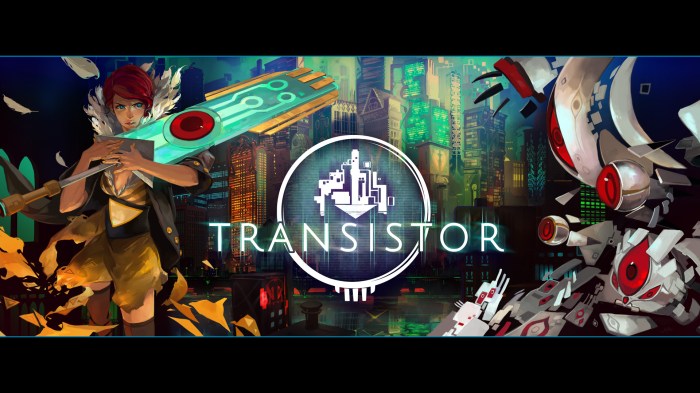
And to speak for the consumer within me, there were a lot of exciting games revealed at Sony’s conference, including the awesome Transistor, The Elder Scrolls Online, Destiny, Octodad, and Kingdom Hearts III(!). For a little while, 14-year old me came back with some giddy excitement, which is crazy to think considering how jaded I’ve been getting over the past few years.
Like most of my friends, I was disappointed at the reveal of the Xbox One, an ill conceived focus on mass-media led to a massive communication mess-up that fomented ill-will towards Microsoft. I can forgive them for that, they can remedy that at E3, which was promised to be more interesting to game-consumers than the May 21st Conference.
The Xbox One
But there’s another thing that’s super-important that we need to talk about, and that’s the issue of ethics.
I’m a huge proponent of the open-source movement, and I believe that the tools that they generate make computer-literacy, perhaps the most important skill in the 21st century, accessible to anyone. The code and assets that they generate are crucially important for our digital culture, heck, every single one of my games involves borrowed assets of some kind. Open-source software allows us to have ownership over our computers, freeing us to tinker, experiment, and explore these important machines, enriching our world as a whole.
And that’s why I’m so frustrated at yesterday’s news regarding the Xbox One. The information that was released yesterday revolves around ham-fisted attempts at piracy-deterrence, the policies, as summarized by Eurogamer, include:
You do not own the games you buy. You license them.
Discs are only used to install and then license games and do not imply ownership.
People can play games installed on your console whether you’re logged in or not.
10 people can be authorised to play these games on a different Xbox One via the cloud, but not at the same time, similar to iTunes authorised devices.
Publishers decide whether you can trade in your games and may charge for this.
Publishers decide whether you can give a game you own to someone for free, and this only works if they have been on your friends list for 30 days.
Your account allows you to play the games you license on any console.
Your Xbox One must connect to the internet every 24 hours to keep playing games.
When playing on another Xbox One with your account, this is reduced to one hour.
Live TV, Blu-ray and DVD movies are exempt from these internet requirements.
Loaning and renting games will not be possible at launch, but Microsoft is “exploring the possibilities”.
Microsoft may change these policies or discontinue them at any point.
While I can accept similar DRM-measures like Steam, and believe that the democratized nature of digital distribution is a blessing to our medium, wholly eliminating disk-based distribution to promote profits is remarkably dangerous to the consumer and our medium as a whole.
I wouldn’t be half the gamer that I am if it weren’t for the friends with whom I shared games. In high school, passing around game discs and cartridges amongst my peers was an integral part of my experience as a player of games. In college, a lot of my gaming diet came from the lending library we have available at the Interactive Media Division. Open access and sharing of this kind of content enriches people’s lives and the dialogue that goes on around games, helping us grow as a culture. Adding these kinds of measures will simply destroy the great game libraries that are kept in colleges and universities to enrich and edify students.
If the Sim City debacle taught us anything, its that always-online is bad for the consumer, it failed for Diablo 3, and it failed for Sim City, there’s little reason to continue in that direction.
Look, always-online restrictions on playing games deters people from playing them, excessive DRM measures have turned people off for years, unobtrusive-DRM has been a core pillar of Steam’s success, and DRM-free installations are one of the primary perks of the Humble Indie Bundles. Adding these restrictive measures to consoles is overkill on a massive scale. Yes, used and shared games are destructive for publishers and developers, but the lower price point allows for more and more people to enter this medium and become constant consumers of these cultural products. Tell me how having more gamers is bad for the industry?
Outside of being morally contentious from a consumer’s and digital-freedom advocate’s point of view, Xbox One’s internet-access requirement is ethically impermissible from a cultural perspective. I can think of no other art form that restricts its participants to those that can afford internet access. We have museums to give the public access to seminal works of art from our cultural history, and public libraries allow anyone from any socioeconomic class to engage with film, music, and literature. Restricting the audience for games to only those who can afford to have to high-speed internet access is systemically discriminatory, making participating in game-culture a privilege reserved only for those living in certain parts of the world.
In a seminal GDC Talk, Greg Costikyan said “I want you to imagine a 21st century in which games are the predominant art form of the age, as film was of the 2oth, and the novel of the 19th”. In order for that dream to be fulfilled, the barrier to engaging with the medium must be low enough that people from all cultural and socioeconomic backgrounds can join in the fun. Only by allowing free access to and sharing of games will we accomplish that.
My opinion might change when E3 rolls around, but right now, I have severe ethical qualms about the Xbox One.
So I ended up getting an offer to write for a crowd-sourced online arts & culture magazine named The Artifice. It’s a British project that seems to have gathered quite a following a few years ago out of a successful alternate-reality game. Under the terms through which I am bound, the writing I do for them will be available exclusively under the Artifice, meaning I can’t reblog to places like Gamasutra.
So what that means is that I’ll be posting links to the content I write for them. I’ll still have stuff avalaible here, but if you’re looking to read some of my more focused content. Direct your attention to The Artfice. My first article is an introduction to the old Ludology-Narratology debate aimed at mainstream gamers, and it’s worth the short time it’ll take to read it.


































 KEVIN JAMES WONG