Reality Ends Here – Season 3: Postmortem

105 days, 191 players, 251 projects, 648 cards, over 300,000 points.

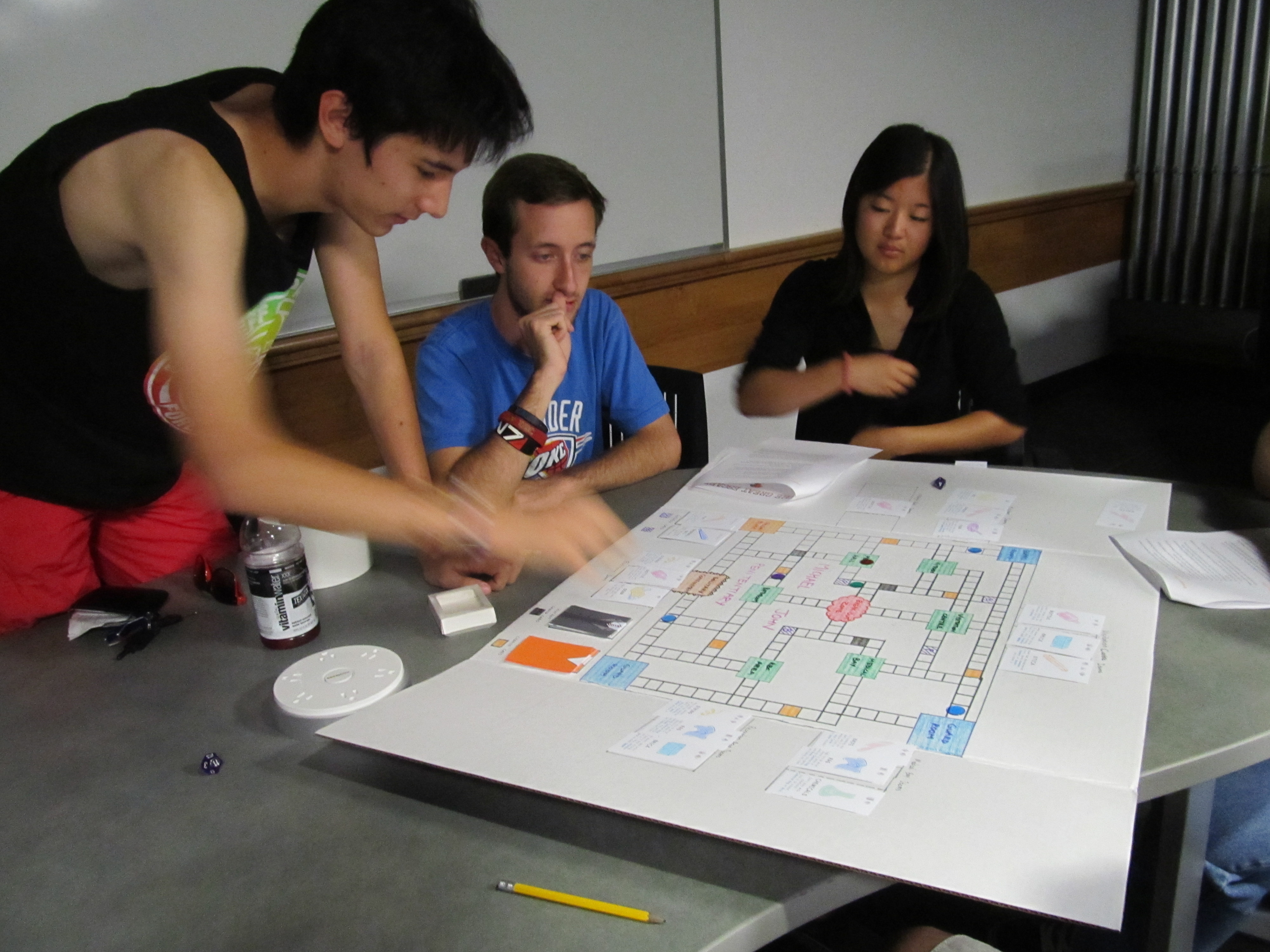
After nearly a year of work, the third season of the Reality Ends Here game has finally come to a close. I joined the project as a narrative/puzzle designer back in January by taking the ARG practicum class, and the game has come a long way since its cloudy inception. Past iterations of the game have been incredibly successful, having won the 2012 Indiecade Impact Award and being cited by Extra Credits in their episode about games in education. The game helped me take my first steps forward into the most creative and prolific period of my life when I played it, this year’s iteration is a bit different, the air of mystery surrounding the game isn’t quite as pronounced due to a multitude of reasons, inhibiting the desired feeling of anarchic excitement critical to the game’s success.

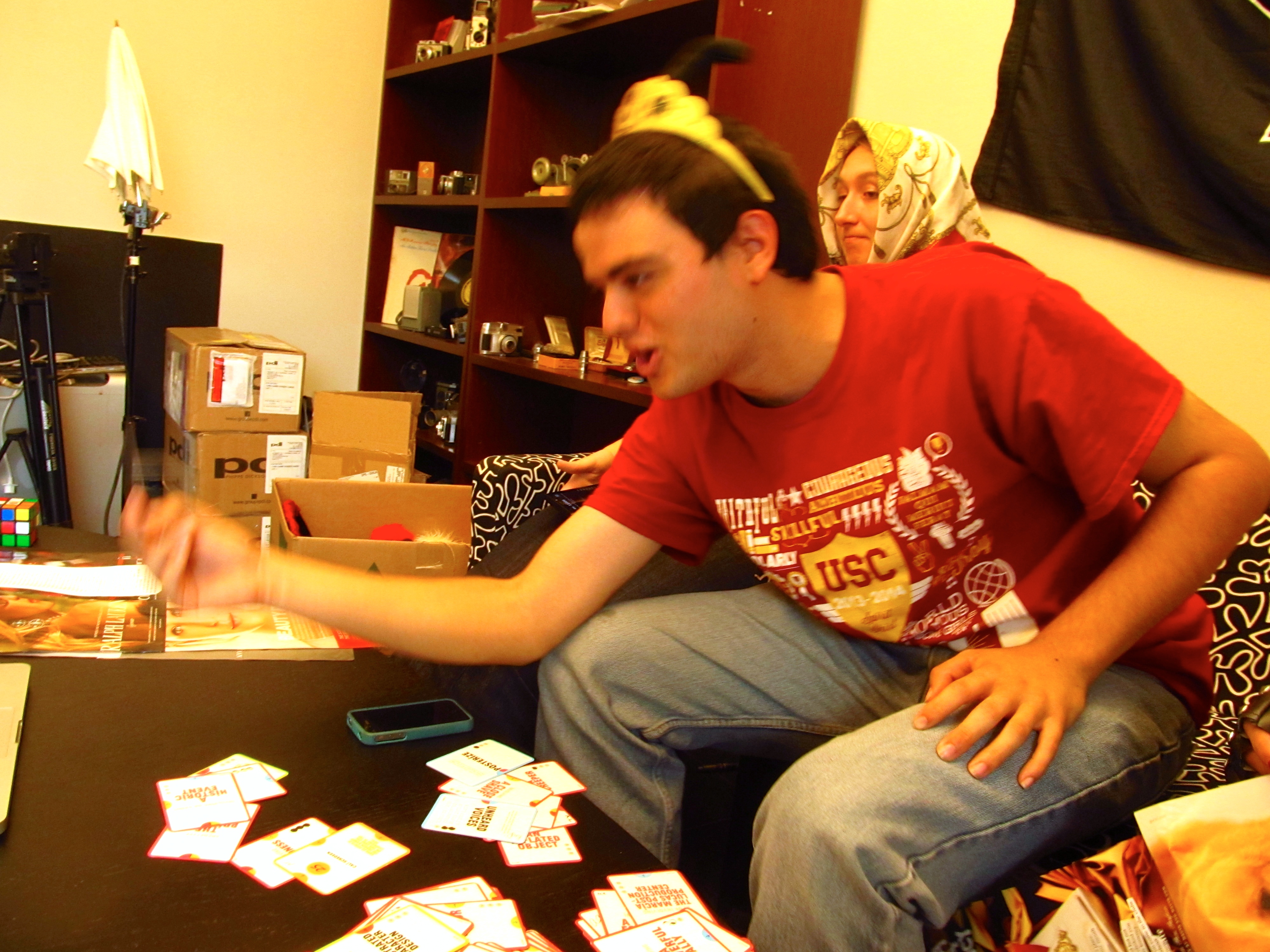
A typical Reality Ends Here justification

Nonetheless, I’m incredibly proud of our work with this game. Reality Ends Here – Season 3 has served its purpose, connecting its players into a diverse network of friends, mentors, and rivals, changing how they go about their everyday lives at USC, bringing any given idea into oft-amazing fruition. Reality Ends Here was my favorite game of 2012, and I am incredibly grateful to have been granted the blessing of working on its next season. I hope that I have been able to create an awesome first-semester experience for this year’s Freshmen, and hope to seem them step forward into fruitful, prolific careers of courageous integrity.

WHAT WENT RIGHT

1. PROLIFIC CORE PLAYERS

In terms of players to content created, the third season of Reality Ends Here was one the most successful ever run. Over the course of eighteen weeks, over 250 projects were created ranging from the punk, to the postmodern, to the absurd. This is impressive given that the 2012 Season had approximately 196 deals and the 2011 Season had 112. The core group of players consistently put effort into their work, creating roughly a new project each week. Familiar faces were seen regularly in the Game Office, allowing us to form a relationship with our players and understand them and their work on a deeper level. A greater variety of non-film Maker cards was included in the 2013 deck, allowing players to do work in different mediums such as derives, manifestos, and zines, marked by the largest number of nondigital games to have been seen in any version of Reality. Cross compatibility with the Annenberg version of the game allowed players to explore themes and mediums left untouched in film school, expanding their horizons substantially. One of the most notable additions was a “Solo Project” Special Card, which would bestow points for working alone on a project. While this falls slightly outside of the intended aesthetic of friendly cooperation, this was a heavily used card which players enjoyed playing with.

2. RABBIT-HOLE & “ARG-SAUCE”

Outside of trading cards and “leveling up” by passing predesignated point thresholds, solving complex puzzles

Tim Taylor was an accidental element of a puzzle that evolved into a meme.
Tim Taylor was an accidental element of a puzzle that evolved into a meme in later deals

was the primary means for players to get new cards. While nothing as complex or sophisticated as Season 2’s Minecraft world emerged from this season, the seven puzzles that we did deploy sparked players imaginations and had them exploring the campus, scouring it for its secrets. Every little indication or hint that we would drop our players would quickly pick up, analyzing them and seeking meaning in the clues. One puzzle had players rearrange a set of directions on basis of Oscar History to form a map that would lead them to a secret card stash. Another had players seek out a secret phone number that they would call to receive a string of numbers corresponding to a hidden book in the library, where they would find their cards. These challenges were quite complex and were rewarded with enough cards to reenergize a players bank and put them ahead in the game. This could be disconcerting though, as the biweekly frequency of these challenges might have caused players to construe these scavenger hunts as a core mechanic of the game.

Aside from the scavenger hunts, the “Rabbit Hole” sequence, the initial week of Reality where the existence of the game is kept secret and players are challenged to discover it, was incredibly successful, if perhaps due in part to greater awareness of the game’s existence. Nonetheless, we had over eighty players signed up in the first day of the game, and the game’s first deal was submitted within the first hour of the Game Office’s opening.

3. QUALITY OF WORK

While power gaming and forced-pointsing did indeed happen with this season of the game, all players put substantial effort into almost all of their deals. Players experimented with unusual mediums that required substantial effort to pull off, such as animated shorts, Kickstarter Projects, drawn-on-films, and faux New Wave. Video-based deals were substantially longer, the longest reaching upwards of seventeen minutes. Projects made in the were submitted to festivals, and were screened in CNTV 101. One team developed a particularly distinct punk aesthetic, dealing with queer themes in all of their diverse work. Another player wrote a full season of full-length courtroom dramas. The most notable project to have emerged from the game is the UNI School of Bollywood Arts, a transmedia franchise taking place in an alternate universe where India has colonized Hollywood, resulting in a film school dedicated to Bollywood film. The franchise consisted of a successful crowdfunding campaign, a series bible, and a short film, created by a large team with a pronounced structure, complete with auditions, casting calls, and dedicated roles, resulting in likely the largest and most complex project to have ever emerged from the game. 

4. BALANCING & NEW MECHANICS

All of Reality‘s Green Maker Cards were redesigned to accommodate special challenges that could be completed for point bonuses, incentivizing increased effort and higher quality work. This resulted in better, more complex deals that were not necessarily “thrown together”. Players had a lot of fun attempting to fulfill these optional objectives and played more competitively.

One of the most controversial new mechanics was the “Scan Card”, a mysterious card which could only be acquired by solving a puzzle. The Scan Card had a QR-code, which, if played, rolled a dice and applied a random effect to the deal it was applied to. One play may double the points of a deal or win players additional cards, other plays could destroy the Scan card, reward other players points, or delay the deal’s publication to the next week, essentially making the choice of playing the card one of high risk. Players initially played the Scan Card with gusto until Logan Austin rolled the “Self-Destruct” effect, forcing him to tear apart the card. All players used the Scan Card very conservatively thereafter.

5. MINIMAL EMBEDDED NARRATIVE

The original design of Season 3 had an underlying narrative to it, aligning it with other traditional ARGs, which would be delivered through notes left by an opponent to the Reality Committee that players would discover at the end of each puzzle sequence. This entire element of the game was cut, as interacting with embedded narrative is an aesthetic of consumption, which contradicts the game’s intended goal of promoting creation, distancing players from the game’s goal of fostering creativity and collaboration within its player base. Instead, a similar narrative arc appeared emergently as previous years players would interfere with the game, granting players overpowered cards intended to be removed from the system by putting them through unusual and difficult challenges.

Nonetheless, the embedded narrative elements survived and were included into the game enhanced player’s experiences substantially. The first element was “Vintage Cards”, cards that were used in the game’s previous decades that we found and included in the game as rewards for solving puzzles. These Vintage Cards could be played like any other game card, and alluded to the game’s history of being played by students as an underground subculture.

WHAT WENT WRONG

1. DROPOFF

While the player base for Season 3 is the largest it has ever been, the drop in active players was more pronounced than we expected. The game started with a group of nearly 170 players, but dropped off substantially as the semester ramped up, going down to twenty players and ending with a core group of roughly sixteen players. While this core group was indeed prolific, it is surprising to see how drastically the number of players dropped off after the first few weeks. Substantial drop-offs have been characteristic of previous seasons of the game given the plethora of other commitments students have, ranging from fraternity commitments, to midterms, clubs, and non-game related projects, the players that do survive and remain committed and passionate about DIY-media making go on to create the game’s best content. Nonetheless, when designing future iterations of the game, Reality Game Runners should take into consideration the reasons that this phenomenon takes place and take measures to keep players engaged with playing and project-creation without compromising the game’s core aesthetics of aggressive, creative competition and self-motivated, creative agency.

2. “POINTSING”

“Pointsing” was a term that players coined to describe the forced integration of loosely-justified cards into deals in an attempt to maximize the score-value of an individual project or any other behavior that may be construed as “pushing the rules” of the game in order to maximize the score of a deal. While this behavior did create interesting dramatics and make for more competitive, aggressive play from other players, I am concerned about the effect that this behavior might have on other players. Richard Bartle’s categorization of players of MUDs posits that the behavior of different kinds of players in a game space can substantially affect the game experience for other players. “Power-gamers” that aggressively balance and min-max their builds and play styles can potentially overpower other players and make them feel impotent and powerless, disincentivizing their continued play given the knowledge that they could not necessarily match up points-wise against the other teams. While the negative feedback system integrated into the cards with the “depletion” mechanic reduced each card’s value with each consecutive use, this behavior was still present. One thing that could be done to address this issue is to better communicate the fact that the Reality Committee pick weekly winners in terms of both points and quality.

3. UNIMPLEMENTED MECHANICS & CONTENT

A plethora of mechanics, rules, and content was created for the game during the Spring Practicum. Only a fraction of that content made it into the final iteration of the season. Many of the cut elements reasonably improved or preserved the experience of the game, such as the removal of an embedded narrative, which would have detracted from the exploratory, self-motivated aesthetic critical to the game’s success. Nonetheless, out of oversight or lack of time and resources, we had to scale back on many things, such as the complexity of each of the puzzles. One of the game’s first puzzles involved cracking open a hidden safe to discover a secret cache of cards. This puzzle was scaled back due to time and budget constraints to feature only a suitcase and a combo-lock. The collectable “audio-diaries” alluding to the stories and experiences of past students and alumni of SCA were cut entirely, instead, we included artifacts from the game’s past: a collection of “vintage cards” from prior decades runs of the game, a grainy image of the Bullpen as it existed in the forties, a blurry photograph from last year’s Wrap Party.

Perhaps the mechanic that we most unfortunately left out was the inclusion of “weekly challenges” that players can undertake for special bonuses. Shoot a deal using only a cell-phone camera, shoot on 35mm film, collaborate with someone you’ve never worked with before. These special challenges would have shook up the game substantially and kept players on their toes, constantly experimenting and trying out new methods of media-making.

4. CHAOTIC SCHEDULING

Season 3 of Reality Ends Here was run entirely by three people with the intermittent involvement of the Reality Committee. Esteban Fajardo and I were Game Runners and Simon Wiscombe was Game Master. Esteban and I both have full eighteen-unit class schedules and are working on Advanced Game Projects, limiting our availability in the office during the week’s peak periods and ability to create complex, involving challenges that multiple groups of players can engage with. One particularly rough scheduling fiasco occurred during a “Double Points Week”, wherein the points value of all submitted deals is doubled, incentivizing players to create and submit as many projects as they can during that week. I was running playtests for an Intermediate Games Project as part of my Usability Testing Class on the Friday of that week, preventing me from being available at the Game Office on that day, forcing me to ask last year’s Game Runners to substitute for me and run justifications.

5. TECHNOLOGY

We revamped the entire Reality Ends Here website in order to streamline the process of submitting and justifying deals, and for the first few weeks of the game, the new site served its purpose admirably and effectively. But past the mid-game and escalating throughout the entirety of the late-game, the website started exhibiting serious issues. Entire submissions were lost and had to be redone again, the site would lag and stutter at the most inappropriate times, players who changed their account names found themselves with multiple accounts, each with its own score on the leaderboard, and players would find themselves inexplicably in the lead with tens of thousands of points, or suddenly lose all their points. While the site is effective and usable from the front-end, it would be important to look into improving the sites stability in the next season of Reality Ends Here.

CREDITS

Designed by:
The Reality Committee

Season 3 Game Master:
Simon Wiscombe

Season 3 Game Runners: 
Kevin Wong and Esteban Fajardo

Season 3 Backup Game Runners: 
Michael Effenberger, Will Cherry, Althea Capra

Download the Game Master’s Manual at
http://realitycommittee.org
My Favorite Games of the 7th Generation (Part 1)

And that’s a wrap, the atypically-long seventh console cycle has concluded. And what a turbulent trip it was between the Autumns of 2006 and 2013.

In these seven years, we’ve seen massive consolidation within the AAA sector of industry, marked by a wave of studio closures and layoffs, resulting in the rise of the indie game and the burnout of trends such as plastic instruments. This change has fundamentally altered the way the gaming industry works from its core, the influx of ex-AAA developers and game school graduates and their experimental ideas has led to the flourishing of a new avant-garde facet to gaming. The explosion of casual gaming with the Wii and iOS has put to death the outdated, stereotyped notion of the “gamer” as the poorly socialized, unhygienic, teenage boy, and has connected players of games into a wide and all-welcoming community of play.

Prior to this console cycle, IndieCade did not exist as it does today

And as a maker of games, this cycle is particularly interesting since it marks the point in which I crossed the threshold demarcating the separation between player and designer. This is a phenomenon that happens to artists from any medium: you see the ingredients that go into the sausage, and never see or enjoy it in the same way again.

I can no longer “play” games, but rather I study them, deconstruct their systems, interconnected rings of feedback loops, intricately detailed and shaded texture bakes, systems of representation meaningful under only the right cognitive frame, systems of metacommunication, narrative delivery, metacommentary, the achievement of a win-state as an ideal condition that could be dangerously exploited to discourage playful experimentation within a possibility space. I can no longer enter that same magical state of investment that I experienced playing through the seminal Metroid Prime and can only appreciate and acknowledge the care and consideration poured into a game.

Don’t call any of these “The Citizen Kane of Video Games”

To this extent, this list is incomplete and disjointed, as they represent two radically different points of view that I held in that seven year period. One is that wide-eyed sense of wonderment, the young teenager, discovering the joy of movement in Super Mario Galaxy and dancing through its cosmic obstacle courses. The other is that of the designer, studying The Last of Us and how its resource-management systems created a suffocating sense of disempowerment apropos to its post-apocalyptic narrative. It wasn’t easy choosing these twelve games, and I had to put aside great games like Minecraft, The Unfinished Swan, and Zelda: Skyward Sword, but here are those games that impacted my life, inspired me, and changed me in some significant way. None of these games are perfect, and many of them are glaringly flawed, but these are important because they’re important to me personally. 

12. Batman: Arkham Asylum

Batman: Arkham Asylum was the first HD game that I had ever played, the first game I played on my Playstation 3, and was the best Metroid game that I played this generation. Structurally, the game revolves around traversing through a massive 3D environment. Players are limited in their mobility and access at the start of the game, and must explore the environment to acquire suit upgrades that would give them new methods of traversal, allowing them to access new areas that held ever more secrets, upgrades, and enemies. Structurally, its a game that’s easy to get lost in, every new item opens up a wide array of possibilities for exploration and combat.

Batman: Arkham Asylum was special because it was a paragon of adaptation.

And to speak of Arkham Asylum‘s combat is to do it an immense injustice. Hand-to-hand combat animates beautifully, turning fights against anonymous grunts into beautiful, brutal, dances of muscle, cape, and concrete. The simplistic, four-button system is simple to learn, but possesses a rhythmic flow between punches, stuns, dodges, and counters that make the system exciting to engage with. And those mechanics are only available if the player chooses to engage with enemies in that way: stealth is just as engaging and empowering system as brawling. Between hiding on gargoyles, pouncing on enemies, setting up explosive traps, or pulling them into air ducts by distracting them with a batarang, acting as a silent predator is as empowering as you’d expect it to be. The visible terror that enemies exhibit feeds a visceral, sadistic thrill seen only in other, more morally problematic games. These mechanics all lend the game an authenticity to the source material unseen in myriad other licensed games.

And that’s to say nothing of Arkham Asylum’s representational elements. Arkham Asylum is a veritable encyclopedia of Batman lore, and villains from Zsasz to Scarecrow will confront Batman. The Riddler also brings a hidden-object aspect to the game, challenging Batman to find an object in each room of the facility that relates to some of the most obscure Batman lore out there. Kevin Conroy and the ubiquitous Mark Hamill, who voiced Batman and the Joker in Justice League and the 1990s animated series, lend their talent to the game. Simply put, Arkham Asylum works well as an paragon of adaptation, effortlessly translating the verbs, nouns, and adjectives of Batman’s print and screen presence to an interactive medium.

11. Team Fortress 2

One thing that’s problematic when designing co-operative or team-based games is making each player feel like his/her contributions matter to the team. If a player feels useless, or worse, a liability to the team, then a game is poorly balanced and heavily problematic. This is a huge issue facing Dungeon Masters of Dungeons & Dragons games, as rule-exploiting power-gamers can easily ruin the game for players less interested in the simulation of combat, reducing their feeling of agency and potency. Shooters like Call of Duty and Battlefield suffer from this issue too, as negative feedback systems reward the other team for getting kills, thereby placing a large, team-affecting punishment for death. To this extent, many competitive team-based games fail at this aspect of design, and end up creating hostile communities that leave newbies no place to start.

Team Fortress 2 was special because it possessed a sense of unity and cooperation unique amongst other shooters.

This isn’t a problem for Team Fortress 2 however, and just by simply playing their role in the battlefield, even at an adequate level, players feel like they’re making important, game-changing contributions to the success of their team. This all stems from the design of Team Fortress 2′s nine player classes, their movement speed, weapons, and skills effectively restrict their abilities to only one mode of play, lending each class a design affordance that makes their particular role on a team obvious. Play as the Pyro and your role on the team is made immediately obvious from his small size, short-ranged splash attack, and the tendency of other players to back away from him. Conversely, the Spy’s abilities and weapons restrict his efficacy to stealth, placing in his hands the daunting task of sneaking behind enemy lines and breaking their defensive strategies. The interplay of these diverse classes create an incredibly deep and accessible tactical shooter, creating an unparalleled sense of unity and cohesion during play, culminating in the cathartic thrill of victory, feeling satisfied with the knowledge that you played an integral part in achieving that win.

10. Mass Effect 2

Star Wars and Star Trek came before my time, and I missed Firefly when it was originally aired, so growing up, I had no epic space-opera to anoint as part of my upbringing, but Mass Effect works as a nice substitute. Simultaneously a pastiche of every beloved science fiction franchise ever and a wildly original, extremely imaginative series of its own, Mass Effect welcomed me into an intricately textured and wonderfully flavorful universe filled with strange creatures and memorable worlds, which served as the ideal setting for a traditional monomythic adventure.

Mass Effect 2 was special because it was simultaneously giddily-imaginative, and a pastiche of every great science fiction adventure before it.

There’s a race of colossal aliens called the Reapers who visit the Milky Way every 50,000 years, annihilating all sentient life on their way. Commander Shepard discovers their existence in a vision that she had while examining an ancient artifact on Eden Prime, and must convince the Council of their existence. On the way, her ship is destroyed by a massive, insectoid ship but she is saved by the Human Supremacist organization Cerberus, and sent to explore the galaxy gathering allies to discover the secrets of that mysterious ship and its occupants. This compelling premise is made interesting by the diverse range of characters that Shepard comes across on her journey. While not every one may be inherently likable, it is impossible to come away from an interaction with a character without having formed a solid opinion about them.

As Shepard expands her crew, she must deal with racial and ideological conflicts amongst them, testing the player’s leadership and decision-making skills. The core mechanic of the Mass Effect games is talking, which is only fun when deployed with interesting characters, and Mass Effect 2 delivers them in droves. Who can forget Garrus’s darkly justified vigilantism, or how under Mordin’s hyperactive, geeky exterior lived guilty conscience over letting genocide happen. In Mass Effect 2, player’s behavior affects characters and changes them fundamentally, encouraging them to grow or change through one’s leadership style allows for some of the most engaging role-playing seen this generation.  

9. The Elder Scrolls V: Skyrim

When the player escapes his execution and leaves the opening dungeon in Skyrim, he is hit with the jarring realization of the sheer enormity of the game’s possibility space. While the game privileges violent play styles with a substantial amount of combat mechanics and equipment, the variety of hats the player can wear with those core mechanics makes for very engaging role-playing. With the right character builds, Skyrim can be anything from a stealth game about infiltrating wealthy houses and making off with valuable loot to sell to the poor, to a Harvest Moon-esque farming simulator, to a mountain-climbing action game. While the game is indeed content heavy in terms of potential questlines and scripted set-pieces, Skyrim‘s rules create a wide-open sandbox for playful experimentation and exploration.

Skyrim was special because its structure promoted playful experimentation and exploration within its virtual space.

The vastness of the possibility space make Skyrim the perfect game of abnegation. For the past year, Skyrim has been my go-to game for times when I’m too sick or tired to invest myself in anything more complex. Raid a dungeon, hunt some monsters, fight crime or cause it, explore the sandbox and play with its rules and constraints for as long or short a time as you want. Whatever you do, you’ll probably discover something interesting to have fun with, like cabbages.

8. Super Smash Bros. Brawl

Super Smash Bros. is a social ritual, to be performed every other Friday afternoon in the company of new friends. Observe how they play, and learn something about that person: “Where did he play this game before?”, “What kind of people did he play this game with?”, “Were they his friends? Are they still now?”, “What did they teach him? How may he be similar or different to me?”.

Super Smash Bros. Brawl was special because it was universally adored and understood by nearly everyone I met.

I’ve met gamers from places as diverse as Colorado to Ecuador, and almost all of them have played Super Smash Bros, imparting their distinct choices of moves, characters, and strategies into every match I’ve shared with them. “Why is my opponent playing so aggressively as Ike? Did the friends that he played with back home always resort to the same craven defensive tactics?” “Why does this player insist on spamming bombs as Link? Why would he so cowardly attack from afar whilst avoiding actual confrontation?” The language and play of this game is almost universal, and the context in which Super Smash Bros. is played at home informs people’s playstyles, and the exchange of blows between players from different families, different communities, and different cultures exhibits the sheer diversity of mentalities that players bring into Smash Bros.‘s magic circle, and acts as a testament to the depth contained in this simple, cartoony party game.

6. World of Goo

The first thing I found remarkable about World of Goo was the story behind it. Two guys made this game! They barely had any funding! Their office was whatever free wi-fi coffeeshop they’d walk into that day! All of a sudden, video games, these monolithic electronic products made by megalithic corporations you’d hear about in the Wall Street Journal, had indies. 

To my 14-year old mind at the time, the thought was mind-boggling: people made games. These weren’t companies with knowledge of the arcane, recondite, secrets of the Wii and a relationship with Nintendo arranged by armies of lawyers, but people, individuals that I could become like. If they could make a successful game on their own, what was there to stop me from doing the same? Soon afterwards, I began researching. I read articles, books, postmortems, reviews, anything I could get my hands on, and in time, I began writing. I started doing reviews and opinion pieces on my own blog and the school newspaper about games, and in a little corner of my computer, I began writing and sketching together documents and maps for my own game.

World of Goo was special because it taught me that anyone could make games.

And that’s to speak only of its development story and the impact it had on me as a person. World of Goo is a fantastic puzzle game with a cute, yet, forlorn and lonely aesthetic. Players construct structures out of goo balls in an attempt to bridge one part of the level to the other, while having enough goo balls left to complete the level and its OCD objective. The physics-based mechanics encourage experimentation with the properties of each kind of goo ball, and combining them in creative ways creates a Portal-like sense of trial-and-error characteristic of the very best linear puzzle games.

Come back again tomorrow for the rest of the list.

EDIT: Wrote up a draft of the post, Evernote account broke, lost all that text. Post will be delayed. Come back next week. 

New Stuff Incoming

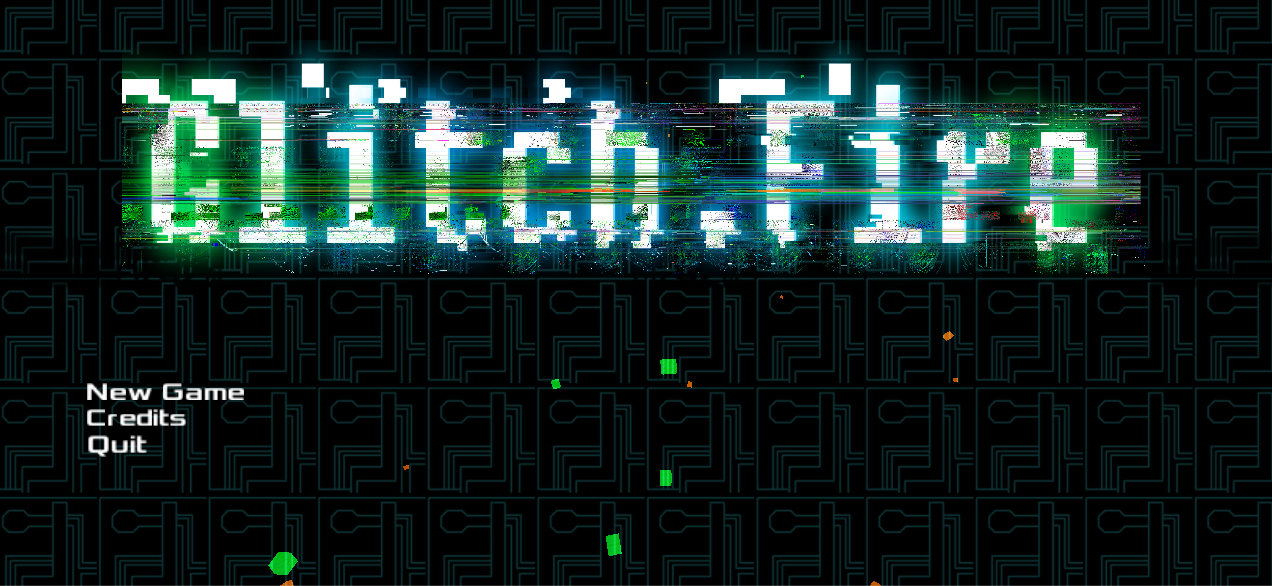
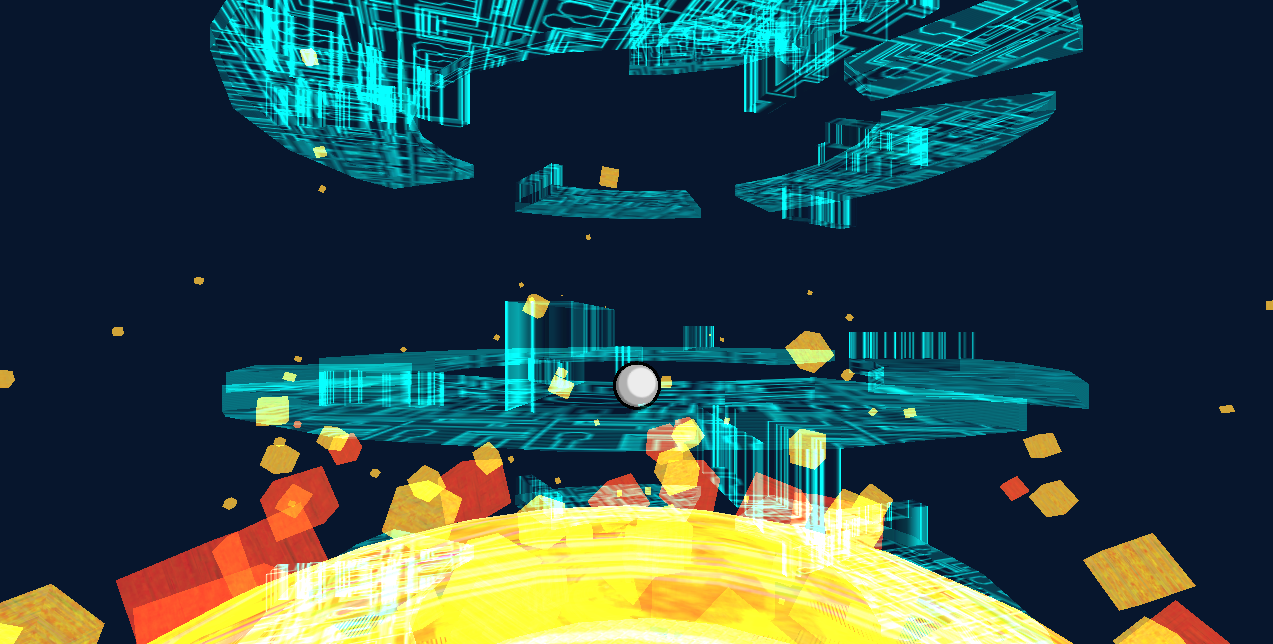
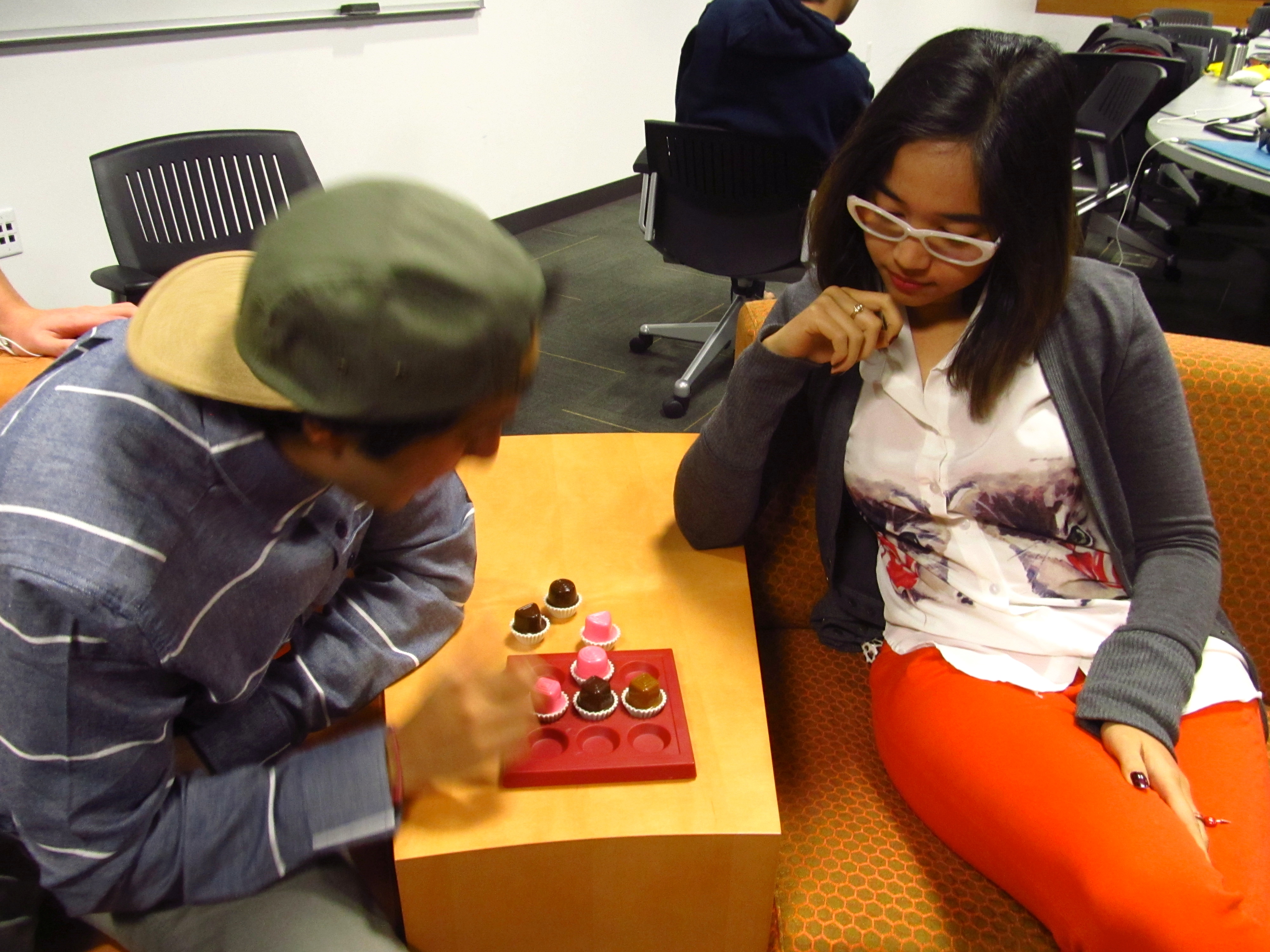
I know I’ve been quiet on this site for a while, mostly because I’ve been busy working on multiple games simultaneously, namely, the third season of Reality Ends Here, a 2D platformer inspired by glitch art and data bending, and a series of three analog games developed over a series of three-week sprints. I’ll also be community managing The Maestros’ alpha. Once the semester subsides, I’ll update my portfolio so you can download and play these games.

Screenshot 2013-11-17 13.36.39

Screenshot 2013-11-17 23.49.14

IMG_3965

IMG_3910

IMG_3476

IMG_3456

IMG_3446

How to Make a Good Firefly Video Game

So, after years in and out of development hell, a Firefly video game might exist.

Announced under the radar of Comic-Con, this Firefly game will be a “Social-MMO” for Android and iOS.

I’m as much a fan of Joss Whedon’s work as anyone else, and I’d jump at the opportunity to spend more time with the oft-dysfunctional crew of the Serenity, but count me surprised and somewhat cynical of the game. Right now, news of this project is yet another reminder of the main problem I have with licensed games: the mechanics of these games aren’t designed to promote the same aesthetics as that of the source material. Games are systems of rules and mechanics designed to create a certain emotional state, and distilling Firefly’s complex core appeal to a game system is very difficult. Even if the Firefly game looks and sounds like Firefly, it’ll utterly fail its audience if it doesn’t feel like Firefly. 

Many of the licensed games that fail do so because they are dishonest to the source material from a mechanical standpoint. Consider the awful Harry Potter shooter: the Harry Potter books and films were about the Campbellian Hero’s Journey and a child’s coming of age in an increasingly dark world. While Harry does indeed fight Death Eaters in the source material, the series is fundamentally not about fighting, Harry Potter is about growing up, and the shooter’s mechanics do nothing to promote that core theme. While some superficial worldbuilding elements do exist, like wands, apparition, and expelliarmus, misinterpreting Harry Potter as a high-octane action game exemplifies ludonarrative dissonance.

No matter how much it looks like Harry Potter, this isn’t Harry Potter.

Same goes with Ghostbusters, while the game’s sound and graphics were honest to the original film, the game’s design wasn’t. Ghostbusters was about a group of academic expatriates going into business; a goofy rags-to-riches story, the Ghostbusters start from nothing and eventually grow to become  nationally famous and save the world, all whilst fighting off clumsy government regulation. Ghostbusters the game forgoes the film’s core theme of small-time entrepreneurship to focus solely on the singular act of wrangling down and capturing a ghost. While this is definitely something the Ghostbusters do, it is absolutely not the reason why people love Ghostbusters. People love Ghostbusters for its situational comedy, goofy characters, and charming narrative about small-business, not for the heart-pounding excitement of wrangling down a poltergeist.

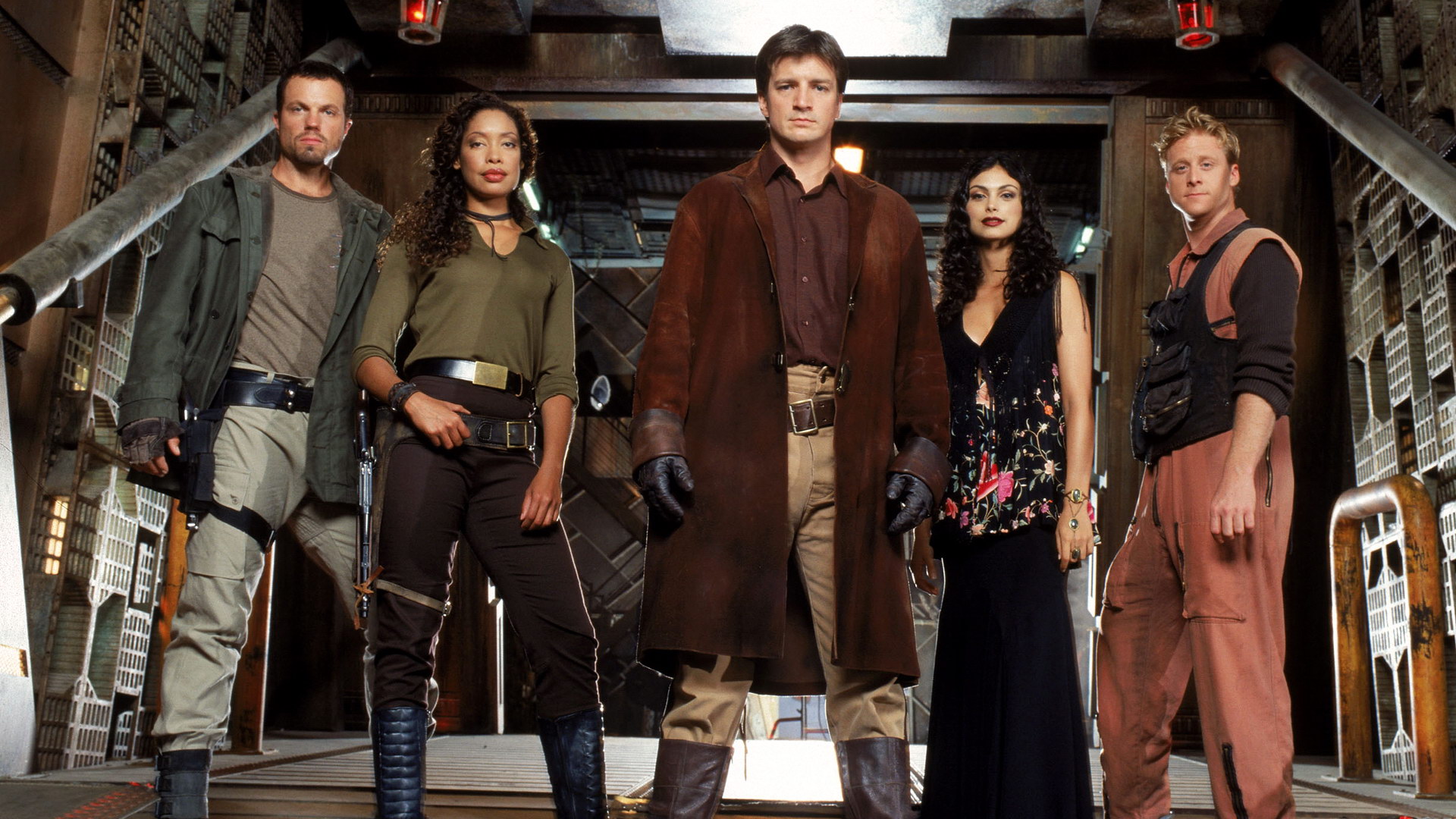
Which brings us to the Firefly MMO. When pitching the show, Joss Whedon described it as “nine people looking into the blackness of space and seeing nine different things”. That focus on characterization and relationships comprises the entirety of the show’s appeal, while the universe is imaginative and the battles exciting, worldbuilding and action aren’t the reasons people love Firefly, Firefly owes its popularity to the intense drama and cathartic comedy coming out of a near-dysfunctional crew of radically different and lovable characters. Fans treasure moments like Kaylee’s giddy excitement at the ball, or Jayne’s discovery that he has somehow become a legend amongst the people of Canton, not the intermittent shootouts that happen in each show. To adapt Firefly to a system of game mechanics and rules would necessitate replicating the same charming characterization and interpersonal relationships that make the show so appealing.

Man, these people were awesome.

This particular Firefly game is a “Social MMO” for Smartphones. I’m not exactly sure what that means, but I’ve had experience with both Social Facebook games and MMORPGs. “Social games” utilize Skinner-box design to facilitate social interaction in the form of using other people as a means to achieve personal progress in your farm or city. MMORPGs conversely reflect a narrative of capitalistic growth as players start from nothing and work up to great heights. Neither of these mechanics communicate what makes Firefly so appealing.

I don’t know what mechanics would effectively translate Firefly‘s core appeals to an interactive format. Maybe an Inara Ren’py dating simulator? A FTL-like management sim for Wash and Kaylee? Maybe if we were to go nondigital, a Firefly-inspired tabletop RPG would work to systemize that great characterization and relationships, after all, Serenity’s crew is about as functional as my own Dungeons & Dragons group, right down to the crazy psychic whose antics endanger everyone (me). Perhaps a version of a game like Mass Effect 2 with more non-combat things to do for characters like Book or Simon, after all, the game’s episodic, television-like structure allowed for a very deep level of characterization, the conversation system allowing for relationship-building to be systemized effectively.

Ultimately, whether or not the Firefly MMO is real, I take the news with trepidation. There is a lot of potential innovation out there in taking the diverse range of emotional experiences that film, literature, and television provides and translating them into game mechanics, heck, I secretly yearn for a Legend of Korra open-world RPG, the ethical implications of that show would make for an awesome morality-game. But when I see so many of these projects wind up terrible, I begin to think its something more than rushed production schedules and sparse budgeting, I think its a problem in the way studios approach game design.

Facing Our Representation in Society

I was part of the 2010 battle against Brown v. EMA, the Supreme Court case that would have resulted in the loss of First Amendment rights for video games and interactive media if lost by criminalizing the sale of games deemed violent to minors, essentially equating them to alcohol and tobacco. From a semiotic perspective, this is obviously wrong, labeling creative works under the signifier “societally harmful” is idiotic in self-explanatory ways. I wrote petitions to Congress and AB 1179’s creator, California State Senator Leland Yee, canvassing signatures at my school and in the local neighborhood, telling passerby about the stakes of the case and what it would mean for the industry if lost. Over the course of a few days, I accrued well over 200 signatures. I received responses from the senator’s office and we met to discuss the issue some weeks later.

We didn’t necessarily see eye-to-eye. My interest in the artistic and cultural value of games informed my justification for their protection and preservation. The Senator, a former child psychologist, was more concerned about the potential for psychological harm that games could do onto young players. In retrospect, it would have seemed that we conversed about two completely different things.

I think there’s a better way to face controversy than clumsily defend ourselves.

Months passed, and the Supreme Court ruled to support AB 1179’s revocation. Gamers represented by the Entertainment Consumers Association and developers represented by the Entertainment Software Association celebrated. The First Amendment’s protections now encompassed video games. At that time, we believed that the debate over game violence was over. By July 2011, when the court’s ruling was announced, I was tired of defending games. I had done extensive research and canvassing, wrote a biweekly series of articles on my previous blog, and proselytized the merits of games everywhere I went. “Great, its settled,” I thought to myself, “Time to move on.”

But it wasn’t time to move on.

As a participant in game culture, I don’t feel represented in mainstream news media. It would seem that whenever video games are brought up on the news networks, it is almost universally in a negative light. Go to Google News and type in the phrase “video games”, and count off the number of stories that frame games as negatively. It’s almost aggravating to think that these are the stories that inform much of the world’s thinking about video games. While more people than ever are playing games, the wider societal conversation about the medium has barely changed.

Whenever we see representatives from the industry brought onto the news networks, they are almost always put in a defensive position. Being asked to argue why games aren’t harmful to society, rather than how they do good. If the only message we can broadcast to the greater world is that “we’re not harmful”, what does that then say about our medium? If the only thing that society thinks of video games is “not harmful”, how can we count on society to defend the industry when its brought under scrutiny? If the only thing we bring to the talk shows is “there’s no conclusive proof”, how does that frame us in the eyes of the world?

The G4C Festival continues to do great things as it emerges from the fringes of academia.

Something needs to change about the conversation going around video games.

Instead of defending video games when they’re under fire, it’s time for us to move to the offensive. This is time for us to show the best we can do. It is time for us to tell the story of how we learned to read by playing Pokemon. The story of how a loosely-connected fandom united to create a sophisticated and renowned fighter. The story of how an elementary school in San Francisco taught Ancient Egyptian history and culture through Minecraft. Of how a high school theology program turned to Mass Effect and Fallout to describe the divide between moral deontology and teleology, as well as moral absolutism and relativism. Of how a first-person shooter inspired tangential learning about postmodern literature, aburdist theater, and quantum physics.

I can attest to these stories because I was, in one way or another, personally connected to each of them. To change the conversation, we must educate the public and politicians about the myriad merits of video games. This is especially important in light of the Sandy Hook tragedy: as a society, we must do far better to honor the young lives that were lost that day than scapegoat and bicker amongst ourselves. We cannot honor the lost by creating negativity in the world, we can only do so by creating good.

I’m not here to argue that we’re not beyond self-questioning or self-reform, especially given the conversation over gender at GDC, there’s a lot we need to move past as the limits of our medium rapidly expand. And I’m especially not here to defend violent games, one look at a violent combat segment out of context from recent games, and it becomes easy to understand why pundits paint the medium as a cesspool of puerile savagery. All I’m trying to say is that when the term “video games” come up in the media, they shouldn’t be associated with the bleak miasma of sadness and cynicism that we’ve come to expect, but rather shine a light of joy and levity to break continuous chains of consistently dark stories. We’ve been having the same conversations about gaming for forty years, its time to move on.

James Portnow, writer of Extra Credits, is attempting to lead the charge with his Games for Good project

To achieve this will take work.

James Portnow, writer of the Extra Credits web series, is running a crowdfunded campaign on Rockethub to change the memetics around games through education and information. The campaign is called Games for Good, and if successful, Portnow will spend the next year lobbying in Washington to stop anti-game legislation and change the way grants are provided for game projects that do social good. A major stretch goal, set at $75,000, will allow the project to hire a PR firm to promote the idea and make sure the industry is consistently sending off a positive message to the world.

I’m certain I’m not the only one who cringes every time I see biased or misleading information about games appear in the mainstream media, nor am I the only one who has had their moral upworthiness questioned when introduced to new people. So, if you believe its time to move past negativity and bring genuine smiles to peoples’ days, check out Portnow’s Rockethub campaign. Rockethub works much like Kickstarter and Indiegogo, so if you find yourself unable to contribute financially, you can still help the project by sharing it with your friends. Games for Good is a matter of memetics, and it posits that we can change the predominant ideas around games and celebrate them as an important facet of our culture. Together, maybe we can.

Here’s the link again: http://www.rockethub.com/projects/25243

Thoughts on E3 2013: Day 3 – A Tangent on Great Games Journalism

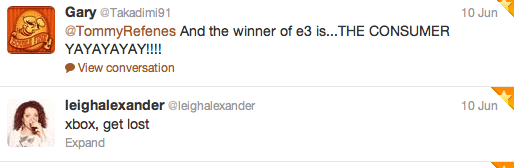
Now that no new information is going to be revealed over the threat of the graphical plateau driving development costs to destructive heights, we can officially say that the drama of the press conferences is finally over. On that note, let’s talk about  games journalism! Here are a number of channels and newssources whose thoughtful content I enjoy substantially. If you like the kind of stuff I write here or on The Artifice, check these places out, its likely that they do what I do way better.

  • Super Bunnyhop – This is a very intelligent Youtube channel giving smart, well researched, and highly interesting (if not a tad cynical) criticism and analysis of games and gaming news. Check out their Critical Close-Up of Metal Gear Solid 2, its the most accessible and creative analysis of its kind.
  • Errant Signal – Excellent and educated analyses of recent games, I think Campster is a game studies scholar. Check out his videos on Spec Ops: The Line and Kinaesthetics, they informed a lot of the research I did on the game.
  • Rev3Games – Youtube channel made out of TechTV and X-Play expatriates, including the fantastic Adam Sessler, who states that being freed from the time constraints of television has allowed him to go more in-depth with his criticism and previews of upcoming games, incorporating elements of game studies and critical theory shockingly missing from mainstream games journalism. Not to be missed is his weekly rant series Sessler’s Something, where he opines on recent news each monday.
  • Extra Credits – Almost everyone I know at game school watches and loves this show. Smart, terse, and very funny, this not only the best educational series for game-students around, but an excellent introductory show for people who want to study and understand games from a deeper level.
  • Kill Screen – Fans of Tom Bissell’s Extra Lives: Why Video Games Matter take note, as this is essentially a response to that fantastic book. Going above and beyond the medium, Kill Screen discusses games with a distinct and unique voice, going into many fantastic places in terms of society and culture.
  • PolygonThis online magazine gives scintillating coverage of current events in the game industry, giving host to some fantastic opinion articles and journalistically-ethical reviews.
  • Gamasutra – Everyone in the gaming industry already reads this, but for the unfamiliar, this publication is managed by the people behind GDC and gives host to wonderful writers and critics such as Leigh Alexander and Ian Bogost, as well as yours truly.

Well, I hope you like those sites, check them out. They’re my conduit for what’s going on in the industry right now. If you have any recommendations, share them in the comments.

Thoughts on E3: Day 2 – Creators of Childhood Memories

All the press conferences have wrapped up and all that’s left for now is for each of the companies to exhibit their upcoming games. Nothing quite as eventful or dramatically over-the-top as yesterday, just some really impressive games, especially from Nintendo.

Super Mario 3D Land

Let it be known that I love Nintendo. My first console was a N64, and if it wasn’t for that gateway to the medium, I wouldn’t be the person I am today. Nintendo is this industry’s most valuable asset because they’re the last big company out there that specializes in the creation of childhood memories. Consider the offerings from the other AAA publishers, violent action games targeted at young adults, no wonder why the mainstream media has such a negative perception of this medium. As wonderful and impressive as they are, Metal Gear Solid V and Watch Dogs aren’t going to be any kid’s childhood memories as they simply don’t exist to serve that young audience. Heck, consider the beloved Naughty Dogand their constant shift to appeal to a grittier, more adult audience with their progression from Crash Bandicoot and Jak to Uncharted and The Last of Us. Consider iOS games, will their simplified design, ample micro-transactions, and lack of a defining brand identity create the kind of treasured childhood memories for upcoming generations of gamers? Nintendo brought us out of the Great Crash of 1983 and were responsible for the Casual Revolution of 2006, an essential step that took us where we are now as an industry. To see Nintendo continue to flounder as they did this past year would be devastating to our medium.

And that said, Nintendo’s upcoming lineup is the strongest it has been in ages. Pokemon X and Y transition to fully rendered 3D worlds, a first for this beloved series. The Legend of Zelda: A Link Between Worlds is a sequel to A Link to the Past, which happens to be the very first Zelda game that I completed alone, making it a seminal and important game in my life. Super Mario 3D World is the series’ prettiest looking game in years, and the possibilities of a portable Smash Bros. that fits into our busy daily lives sounds incredible beyond words. Five year olds of the world, get excited, you’re about to join this great medium via the same treasured and beloved series that were part of our lives as youth. And in all our bitter cynicism towards the future of AAA, our ire towards the puerile and misogynistic members of our community, and all our giddiness over the possibilities that the indie shift can create for our medium, just take comfort in that there will remain a space for that innocent childhood wonderment.

Oh yeah, and this I guess…

Thoughts on E3 2013: Day 1

Today was… oh hey wait, have you checked out my latest article for The Artifice? Give it a look, its about the Games for Change festival happening next week.

Today was… bonkers…

I followed much of the E3 coverage throughout today and was increasingly embittered and grew increasingly cynical at the presentations that each of the companies had to offer.

My frustration and disappointment towards Microsoft is incredible, their exhibition inspired nothing but annoyed cynicism from me. A total failure to address the ethical controversies that I raised in my last post regarding internet connectivity as factor that excludes the poor from participating in game culture sends the message that Microsoft is simply oblivious to the complaints of its fanbase. This disconnect from reality is further solidified considering the Xbox One’s evident lack of an audience. Simply put, if the Xbox One’s target demographics are mainstream families looking for an all-in-one entertainment system, there is no way that they would be attracted to purchasing a $500 system on the first day. Hardcore gamers, as much as I regret using that term, are the early adopters that purchase consoles at launch. Families looking for a home entertainment system aren’t going to want to purchase an entertainment system like that until the price goes down substantially. With hardcore gamers being turned off by restrictive DRM policies, and families turned off by the restrictive price, the Xbox One has no audience at all.

The depiction of women at the conference was rather frustrating, especially given the tasteless rape joke at Microsoft’s press conference. Awkwardly scripted intentionally by whatever executives were responsible for this trainwreck, it maintains the “us and them” mentality that paints gamers as a group of immature nerds. Its the exact opposite of what we need as an industry.

Now that I have that off my chest, what’s with the trend to show a prerendered, or at least in-engine, cutscene, and call that a “gameplay trailer”? Prerendered footage doesn’t tell us jack about a game. While Watch Dogs‘ slick trailer and Assassin’s Creed’s deep blue sea may look cool, we’re attracted to games for their interactive nature, spectacle makes for good marketing, but in the end, its meaningless when we’re creating a cultural product whose value hinges on interactivity. Who cares about your visual style and story world when your fundamental mechanical structure is a mystery?

Mirror’s Edge gets a second chance.

Out of the conferences, Mirror’s Edge 2 was the trailer that excited me the most. Mirror’s Edge was an interesting game that did a lot of things wrong, like mixing together platforming and combat sections into an oddly paced whole, but it was exciting and fresh  and deserved a second chance to iterate on its unique mechanics and excellent characters. Count me sold on this wonderful, unexpected surprise.

And if Microsoft’s press conference left me bitter, frustrated, and angry, Sony’s immediately restored my trust. Opening the conference with a reel of developers effusively gushing over how great it is to develop for the console lent the show an appropriate and fitting focus on games, showing that it had a clearly defined target demographic of gamers of all stripes, simultaneously appealing to both the mainstream CoD-FIFA people as well as the strong indie following that Sony has drummed up with games like Guacamelee! and Journey. Marketing the console to developers by emphasizing the openness of the platform and the ease of distribution through Playstation Network shows that Sony recognizes what will be important this upcoming generation: indie developers.

And to speak for the consumer within me, there were a lot of exciting games revealed at Sony’s conference, including the awesome Transistor, The Elder Scrolls Online, Destiny, Octodad, and Kingdom Hearts III(!). For a little while, 14-year old me came back with some giddy excitement, which is crazy to think considering how jaded I’ve been getting over the past few years.

And to speak of cruelty, consider this:

Writing for the Artifice: The Role of Narrative

The Artifice
The Artifice

So I ended up getting an offer to write for a crowd-sourced online arts & culture magazine named The Artifice. It’s a British project that seems to have gathered quite a following a few years ago out of a successful alternate-reality game. Under the terms through which I am bound, the writing I do for them will be available exclusively under the Artifice, meaning I can’t reblog to places like Gamasutra.

So what that means is that I’ll be posting links to the content I write for them. I’ll still have stuff avalaible here, but if you’re looking to read some of my more focused content. Direct your attention to The Artfice. My first article is an introduction to the old Ludology-Narratology debate aimed at mainstream gamers, and it’s worth the short time it’ll take to read it.