2013: Gaming Year in Review

This is the annual post where I basically go through all the notable and interesting games I played this year, wax poetic about them, and create new forms of hyperbole to describe my personal games of the year. Last year’s post can be found here, and previous year’s posts can be found on my high school blog, which I’m keeping hidden for all the reasons. 

2013 will be remembered for two major movements within gaming: the rise of the American e-sports scene, and the proliferation of the queer games scene. I don’t belong to either of those scenes per se, but their growth is cause for celebration: the diversification of scenes to include people outside of that mainstream “gamer” community means that more and more people will become “gamers”, which is what I’ve always wanted. I hope to see soon a world where there will be a scene for every imaginable type of person, and I believe we’re making strides in that direction.
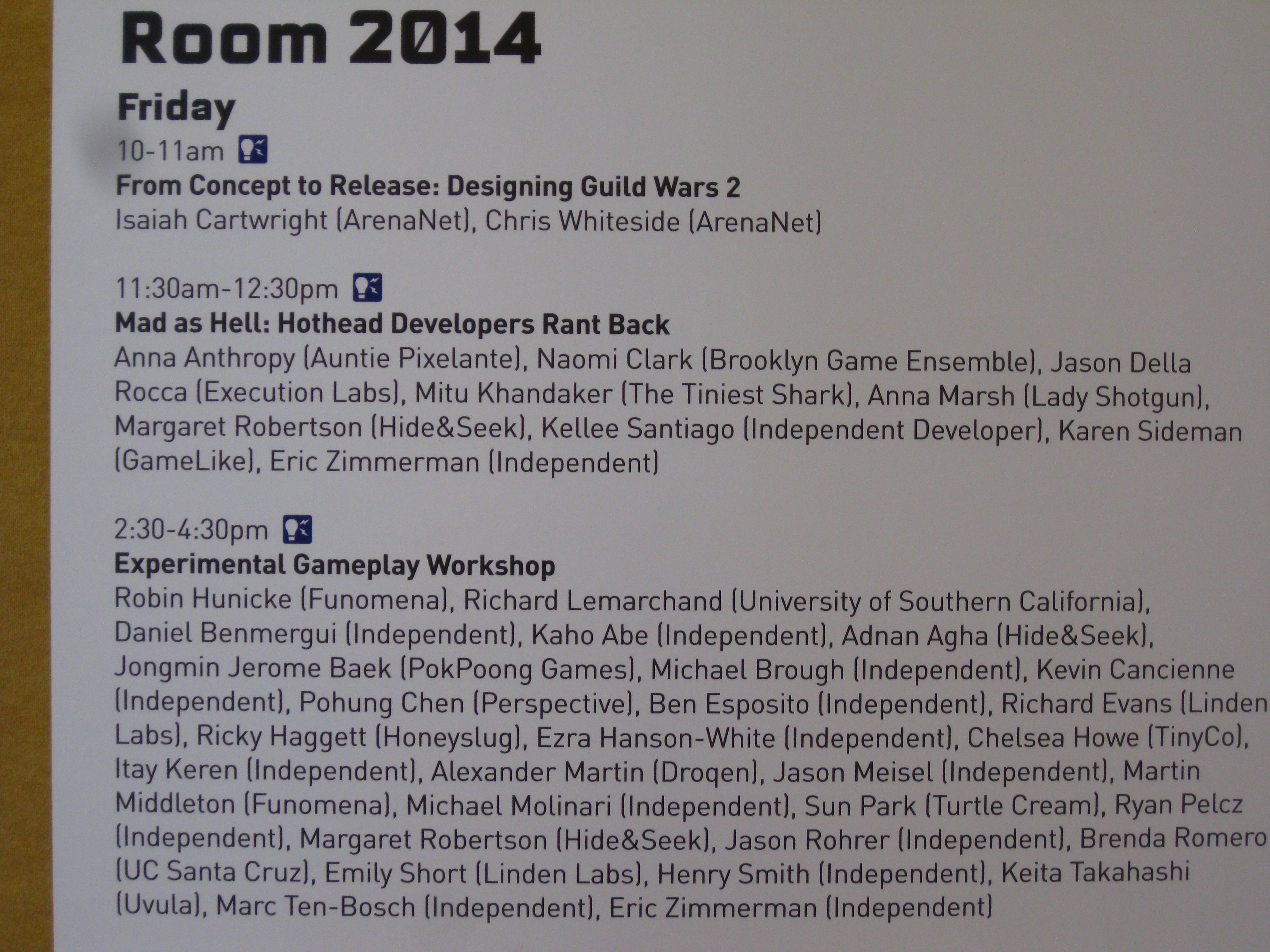
What transpired in Room 2014 at 2013's GDC will be important in years to come.
What transpired in Room 2014 at 2013’s GDC will be important in years to come.

Just a year ago, we entered a period of unprecedented change to how games are made, processed, and understood, leading to the proliferation of newfound developers, genres, subject matters, and modes of play. Now, that trickle of change has grown into an avalanche, and the game industry that exists today welcomes with open arms games like Surgeon Simulator, Gone Home, and The Stanley Parable.

Five years ago, the thought of a world like this would have been unimaginable.

Meditating on change in the industry, the importance of our place in time, and the potential we now have to steer the course of gaming’s destiny is something that I’ve done in previous posts, and really, I’m just repeating myself here. But I can’t help but reiterate my enthusiasm: this is the gaming world that I’ve always wanted to live in. In 2010, I yearned for more daring games unafraid to try something different and interesting, and in 2013, those games exist everywhere I look.

DEAD GAMES WALKING

Telltale’s hit point-and-click adventure The Walking Dead was the first game that I played this year, and one of the most emotionally taxing games that I’ve ever played. Its a story-driven game about leadership, the core mechanic of navigating dialogue trees is contextualized in a way that every decision carries great ethical weight,  asking players questions not like “what is right or wrong?” but rather “who do I want to hurt least?”. Telltale manages to maintain this sense of constant heft and weight throughout the game’s five episodes, concluding in a cathartic, heart-wrenching ending that left me drained, shaken, and worn.

Shadow of the Colossus

Next was The Unfinished Swana game by USC IMD alums Giant Sparrow, a first-person puzzle game that iterates upon its core mechanic beautifully. The Unfinished Swan is videogame comfort food, it’s a heartwarming, homey tale that makes you feel all warm and fuzzy and loved inside. As I played this game with my friends, I couldn’t help but subconsciously maintain a splendid grin throughout the entire experience.

Shortly afterwards, we played through Shadow of the Colossusa monumental achievement of the sixth console cycle, which holds up with remarkable grace. The vastness of the gameworld dwarfs the player’s tiny, insignificant avatar, imbuing exploration with a tangible sense of forlorn loneliness. The giants which walk the Forbidden Lands trot with a quiet, fearsome majesty. Each battle with a Colossus carries a hefty emotional arc, ranging from the apprehension of the approach, the confusion and panic of trying to discover the beast’s weakness, the empowering, triumphant thrill of learning that weakness, and the catharsis… then sadness, of victory. Incredible game, definitely an annual playthrough for me.

Surgeon Simulator 2013

Surgeon Simulator 2013 is the game most indicative of where we stand in the history of this medium today. Here, we have a game developed in 48 hours at the 2013 Global Game Jam, a series of once-underground game-making competitions. It was not funded not by publisher, nor Kickstarter campaign, nor grant money. Surgeon Simulator wasn’t even a good game by traditional measures of design, featuring an intentionally unintuitive control scheme, the game is in essence an interactive joke. By all prior standards of game funding and publishing, Surgeon Simulator 2013 should have been quietly forgotten amongst the hundreds of games designed at these events. And yet, through an unforeseen wrinkle in how this world works, Surgeon Simulator was reviewed higher, and sold better, than AAA sequels like God of War: Ascension, Crysis 3, and Gears of War: Judgement. Consumers are changing, and are now welcoming new games willing to challenge long-encoded standards of design, making room for games about butterfingered surgeons. Its an underdog story so glorious that it could have only happened by accident.

“X IS A METACOMMENTARY ON Y”

In March, Bioshock Infinite, a game which I had eagerly anticipated for years, finally came out. It was the week of GDC, and all my game studies classes were cancelled, so I completed the game in a day. While upon reflection, the game is brimming with design and narrative flaws so basic that it’s a wonder how it passed playtesting, I found Bioshock Infinite to be an enjoyable, albeit overhyped and subsequently disappointing, shooter. My enjoyment of it came mostly out of its uniquely postmodern subtext, which challenges the notion of meaningful choice and autonomy in story-driven games. My analysis of it, which got featured on Gamasutra, has become basically my only claim to fame.

Bioshock Infinite
Bioshock Infinite

Next up was the delightful FEZ. Like many, I discovered FEZ through Indie Game: The Movie and was tightly invested in Phil Fish’s painful, triumphant, underdog story. FEZ was fantastic with its daring experimental structure and wondrous difficulty. FEZ’s obscure puzzle designs and interdimensional platforming harkens back to memories spent of school playgrounds, secrets and rumors of the Mew under the Viridan City truck and the Triforce chest in Forest Temple spread like gossip. FEZ is a game meant to be played in parallel with a good friend, sharing every delightful discovery along the way with childlike wonder.

I didn’t know what to think of The Last of Us when I first learned about it a year ago. A third-person action game set in the zombie apocalypse featuring an old guy and a girl seemed pretty unoriginal given Naughty Dog’s fantastic pedigree, and thus, I went into it with doubts. When I finally played it, I found it unique and incredible in a multitude of ways. Combat is disempowering, limited resources and a relatively underpowered protagonist lends the game a sense of dread and despair that gives way into a panicked chaos of gunfire, culminating in the cathartic release of survival. The game’s story, one of the strongest told this year, calls into question the social demarcations separation “us” and “them” and meditates on themes of love and sacrifice.

The Last of Us

Thomas Was Alone was one of the cutest games I’ve ever played. It is both one of the best puzzle-platformers to come out of a scene rife with them and perhaps the best demonstration of gameplay-as-metaphor and the proceduralist aesthetic to have come out this year. The way it characterizes its quadrilaterals and lends them personality through kinaesthetics and functionality elevates this puzzle-platformer into a delightful story about friendship, jealously, need, and identity. Thomas Was Alone’s rectangles undergo entire character arcs with meaningful conflicts and conclusions, and the game communicates those arcs through simple game feel, lending its characters a humanity not seen in all the dialogue trees and facial animation systems developers have produced thus far.

GO HOME

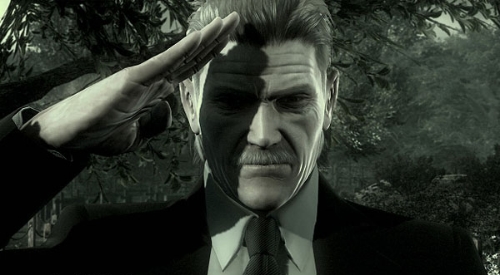
I disliked Metal Gear Solid when I first played it, but decided to give the series a second go after studying writing about postmodernism, a cultural aesthetic that the series adheres to very much. Metal Gear Solid 3: Snake Eater, which sheds the series’ cyberpunk postmodernism to focus on a Cold War-era spy fantasy, changed my perspective on the series substantially. A delightfully Japanese pastiche of 20th century spy fiction, Metal Gear Solid 3 is perhaps the most restrained and grounded game in the series (which is not saying much given Kojima’s predilection for vampires, cyborg-ninjas, and the Illuminati). Every room in Snake Eater‘s vast world is a playground for emergent strategies for traversal, coupled with a variety of tools from guns, to chloroform rags, and alligator hats, Metal Gear Solid 3’s sneaking system is an incredible sandbox for self-expressive play.

Gone Home

Standards for environmental storytelling have shot up over the course of the generation. Flavor text that was communicated by pressing the “interact” button next to an object is now communicated visually, through intricately detailed 3D models in a gameworld. The juxtaposition of objects creates place and story, and narrative discovered rather than delivered. This made traversal through the beautiful environments of The Last of Us, Bioshock Infinite, and Metroid Prime a delight, and it is wonderful to see a game like Gone Home emerge from this burgeoning tradition. Evoking nostalgia for the nineties, Gone Home communicates a tale about a family that underwent a great change while its older daughter was off at college. The means of progressing through the story is snooping through the spaces each family member inhabited. Characters go through entire character arcs as the player creeps down a hallway, the catalysts for their change evident in the things they carried. Its a tough game that dances in and out of some uncomfortable themes, many of which strike close to home, and one of the most structurally interesting games of the year.

On the complete opposite side of the gaming spectrum, XCOM: Enemy Unknown consumed a substantial amount of my time early in the semester. Its an incredibly difficult, incredibly addictive turn-based strategy game that maintains a constant sense of desperation in every aspect of its design. The dread can become overwhelming as players become strapped for time, resources, and personnel, lending dramatic weight to every single decision. The death of a single high-ranking soldier from a stray bullet can cause entire plans to crumble in an instant. But when the dice land in one’s favor and a plan goes perfectly as intended, the triumphant rush of victory is unparalleled.

Kentucky Route Zero

Kentucky Route Zero is surreally magnificent, and maintains a consistency of vision that bleeds into every single corner of its dreamy aesthetic. It is a magical-realist point-and-click adventure game with art inspired by late 20th-century theatrical set design and poetic writing imbued with a nostalgic sense of Americana. It’s as if Steinbeck’s sentimental prose met the magical wonder of Rudolfo Anaya’s, creating a spiritually evocative tale of Conway’s journey down the Zero’s rabbit hole. For anyone even mildly interested in the unusual, Kentucky Route Zero‘s whimsical and forlorn world is one worth exploring.

Personal Game of the Year

Naming a personal game of the year is a substantial ordeal for me, simply because I feel a sense of guilt for overlooking all the great games that I considered for it, especially in 2013, a banner year for unusual and interesting games: digital, physical, analogue, and installation. And in the shadow of that regret, I must name The Stanley Parable as my personal game of the year.

Yes, systemically speaking, The Stanley Parable might not even be a game, academic standards of language and game studies considered, it fits more under the umbrella of interactive fiction than videogames, but that’s beyond the point. The point is that The Stanley Parable is interesting. 

The Stanley Parable

If Bioshock Infinite called into question ideas of the existence of autonomy in an authored piece of fictionthen The Stanley Parable takes that metacommentary to its intellectual extreme, calling into question ideas of player motivation, narrative structure, meaningful choice, the lusory attitude, the player-avatar relationship, freedom in authored fiction, and the conflict between player and designer. The game posits those questions in short, fifteen minute bursts that demand reflection and study, performing its commentary more elegantly than Ken Levine’s bloated, frustrating shooter ever could.

Look, the core mechanic of the Stanley Parable is making binary choices to influence the outcome of a story, which in itself isn’t very interesting, essentially being tantamount to any number of terrible dating-sims. But when contextualized with questions about narrative structure and game design, The Stanley Parable‘s mechanics become ironically rife with meaning, evolving into the catalyst for engaging conversation. While many may rightfully criticize The Stanley Parable for not being a game per se, that does not make it any less interesting as a piece of interactive media, and in a period where all we’re asking for are games that take daring risks, engage with challenging themes, and are in essence unique and interesting, isn’t The Stanley Parable exactly what we wanted?

Thank you and Merry Christmas! 
Four Analog Game Sprints

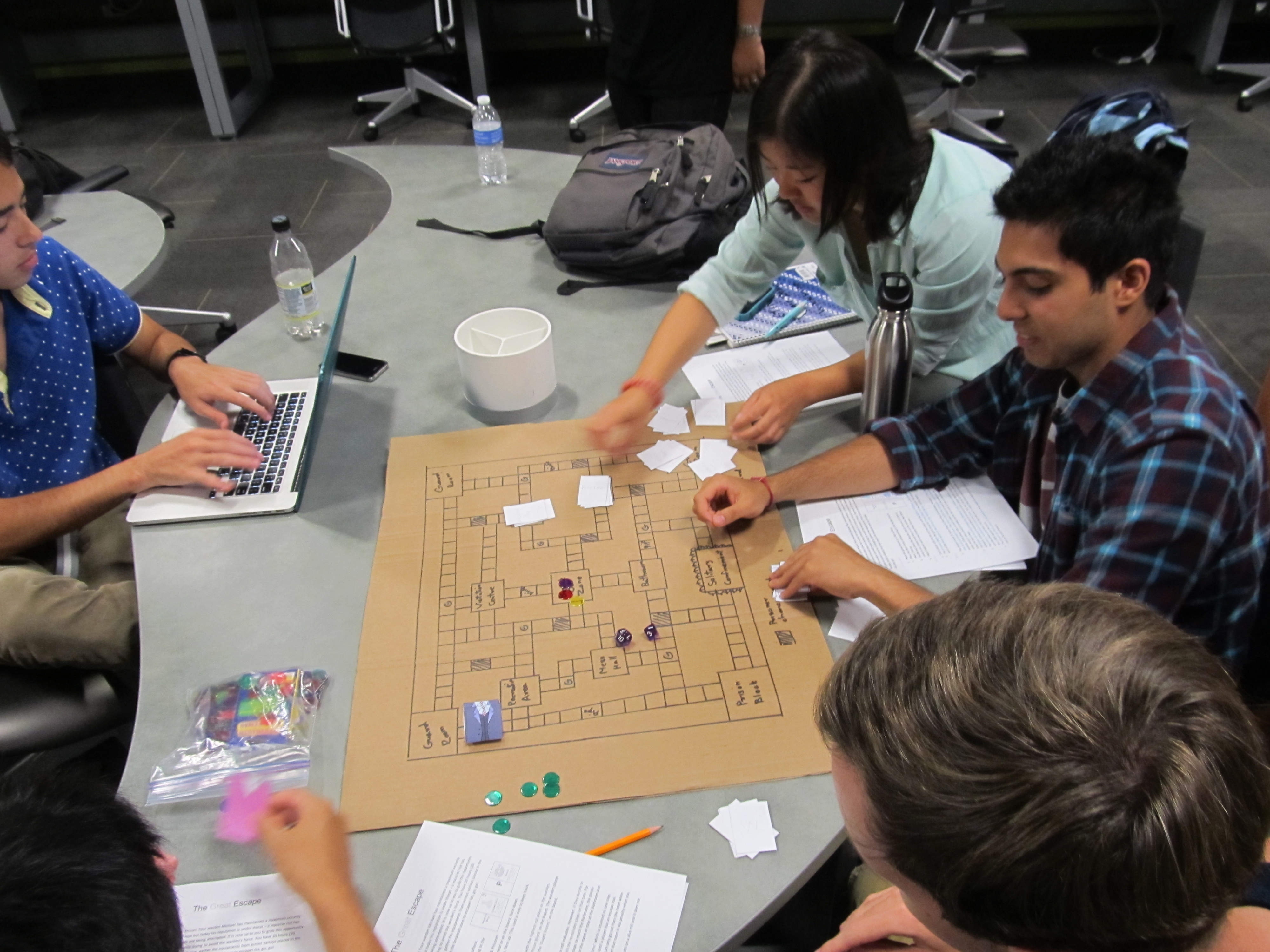
All of these games were designed by either myself or a small team of co-designers over a series of three-week sprints. Click to download printable game files.

GREAT ESCAPE

Codesigned with Max Cohen, Aamod Walavalkar, and Sarah Jennisca. 

IMG_3435

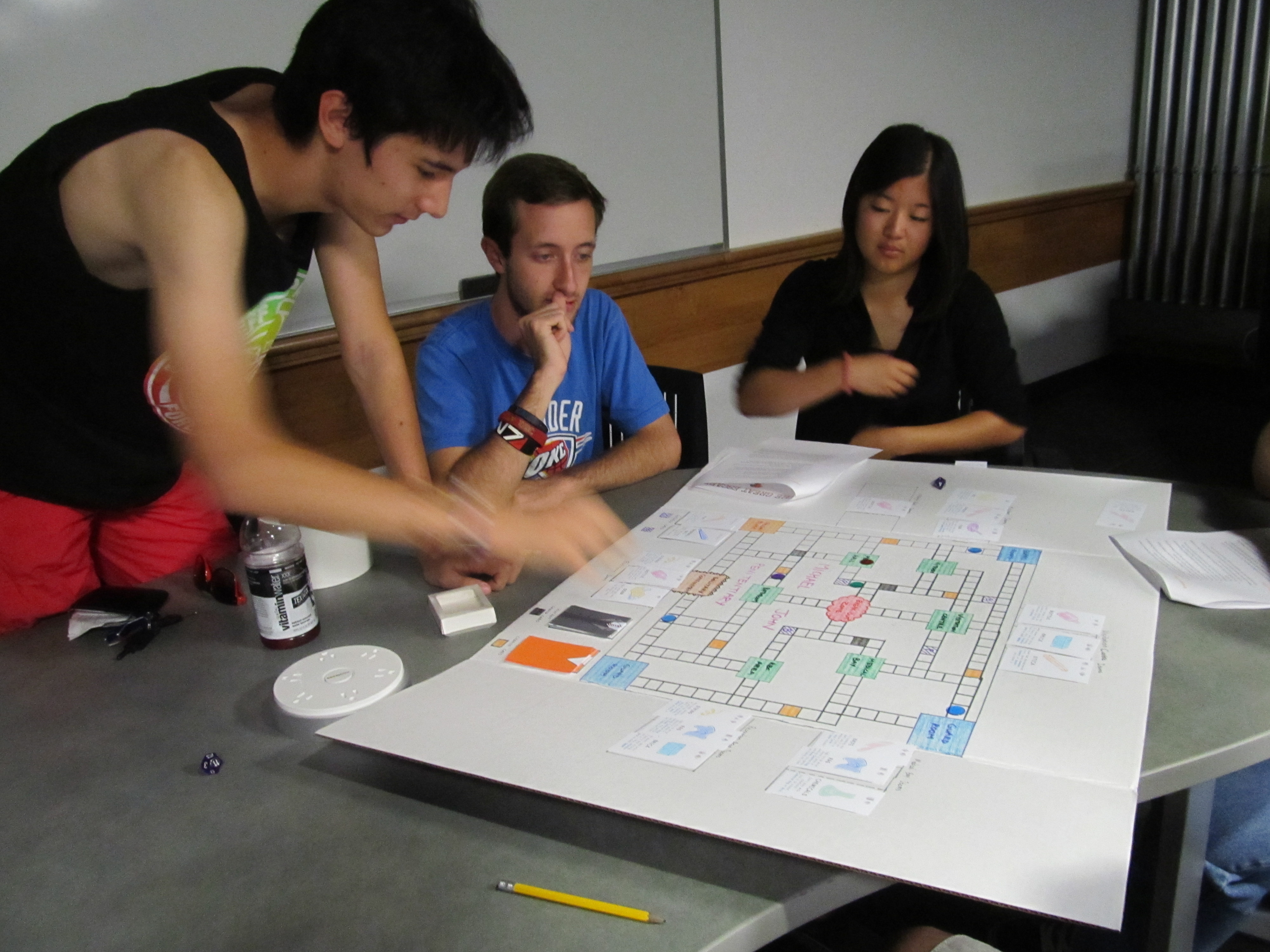
A four-player, asymmetrical stealth/strategy game. Three players cooperate to gather needed equipment to make a daring escape from the prison while The Warden commands around Guards to thwart their escape. Not  a bad start to the semester.


UNTITLED #3

Designed as a solo-project. 

Screenshot 2013-12-16 14.44.14

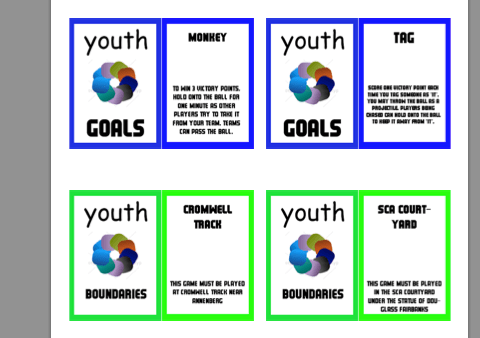
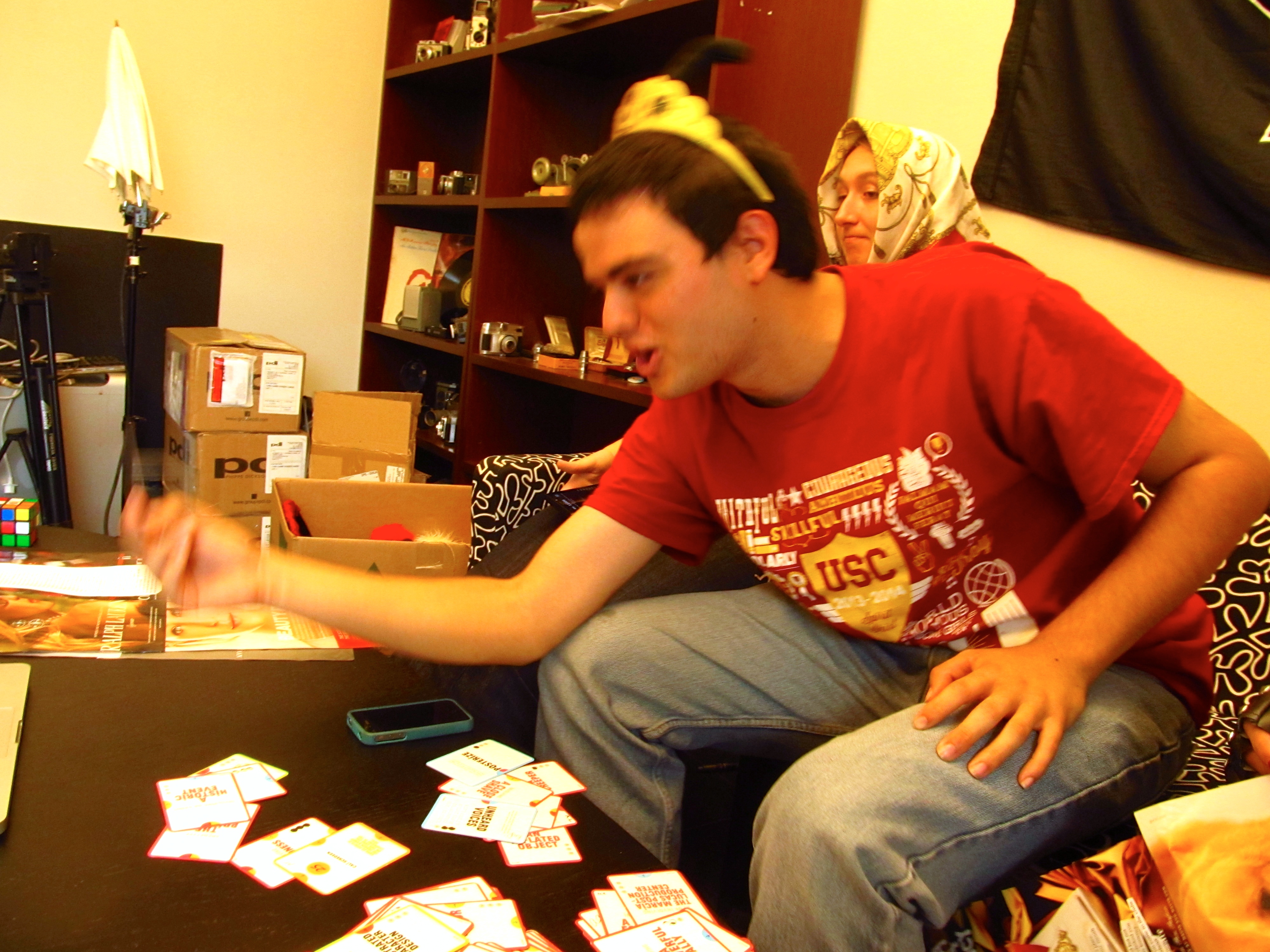
A card-based system for procedurally generating various nondigital games. A metaphor for the progression of life akin to Jason Roherer’s Passage or thatgamecompany’s Journey. A tad overambitious for a very short sprint, but one of the more interesting projects I’ve done.

SUGARCUBE

Codesigned with McKenzie Carlile, Alan Hung, and Kristen Louie. 

IMG_3909

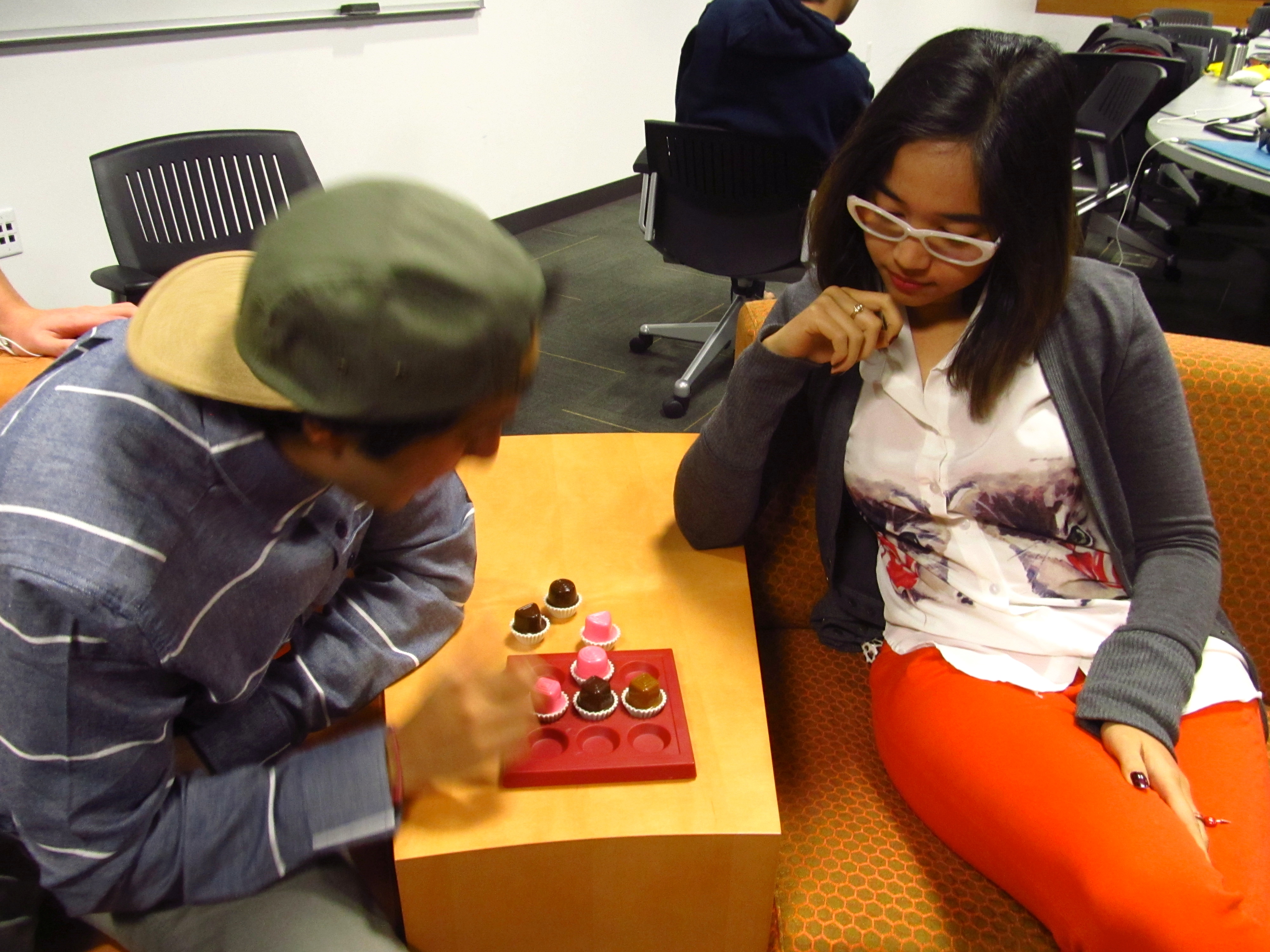
A minimalistic, nonviolent strategy game revolving around tactical moving and blocking. Sugarcube underwent radical revisions during its lifetime, evolving from a theater/improv game called Assassin’s Feed into its current iteration as a simple but deep movement game.

FROM WITHIN

Codesigned with Jake Balentine, Alan Hung, and Aditya Valvi. 

from_within

An asymmetrical survival-horror game for eight players. Six players play as human scientists, who must gather materials to escape the facility. One player plays the Android, who disguises himself as a human and subverts the human escape plan. The last player is the Creature, and must stalk and kill all the humans. Features suspenseful gameplay and legitimately scary mechanics.

My Favorite Games of the 7th Generation (Part 2)

After accidentally deleting all my notes and getting really frustrated, I finally completed part 2 of my personal favorite games of the 7th Console Generation, the first of which you can read here. Sparing the need for a lengthy introduction, let’s get right to it.

6. Okami

Okami holds the dubious honor of being the worst-selling recipient of a “Game of the Year” accolade from a major gaming publication. Which is pitiful, because Okami is a wonderful and uplifting adventure of mythical scope and legendary beauty. Thick outlines, wispy details, and a rich palette lend the game a painterly aesthetic inspired by traditional sumi-e watercolor painting. The vast world of Nippon provides an incredible possibility space for any number of adventures,  each quest draws players into a fairytale world where friendly deities inhabit everyday life, helping humans with their everyday problems and protecting them from nasty demons like Blight, Ninetales, and Crimson Helm. Okami isn’t a dark, serious, conflict between forces of good and evil, but rather a playful, childlike one, with animals to feed, forests to regrow, and bridges to repair.

Okami was special because it imbued action-adventure mechanics with positivity and love.

An innovative core mechanic provides players with a thematically assonant means to interact with the delightful world. Using the Celestial Brush, controlled with the Wii Remote, players can paint objects into existence: a swish of the brush produces a strong gust, while a circle in the sky produces bright sunlight. Using a collection of brush techniques, players enact positive change upon the world. Carrying a positive subtext about environmental preservation and restoration, Okami‘s methods of interaction revolve around construction and restoration, rather than killing and destruction, making it ultimately way more unique as an action-adventure game than it should be. Enemies don’t fall over and die, but burst into beautiful clouds of flowers and butterflies, suggesting that the act of killing a creature is an action of liberation and restoration, rather than strictly one of violence. This all culminates to create a sense of mythic wonder characteristic of the very best of adventures.

5. Bastion

Bastion is a textbook example of how to design a linear game of progression properly. An isometric hack-‘n-slash game, Bastion delivers its story in a unique way, a reactive narrator, Rucks,  voiced by the cool, wistful, Logan Cunningham, comments on every action the player takes, delivering a constant stream of exposition that lends the narrative a detached, forlorn feel. In Bastion, the player wakes up to find his home world of Cylondia destroyed by some cataclysm of unknown origin, known only as the Calamity. He meets Rucks, and the two work together to collect crystals to restore power to the Bastion, a floating ship that would either allow them to set sail away from post-apocalytpic Cylondia or send them back through time to Cylondia before the Cataclysm.

Bastion was special because it was aesthetically luscious and perfectly paced.

Metaphorically, Bastion is an allegory about failed relationships. Players can choose to accept that great loss and move on, hoping to come across new friends, memories, and love somewhere in a terrifyingly vast future. Or they may choose to cling on to the possibility of reliving those moments of joy and returning to peaceful life prior to the Calamity, all while living in the shadow of the possibility that the Calamity would happen again. Its an emotive story with impactful, real-world implications.

Outside of its luscious, painterly aesthetic, its twangy, evocative soundtrack, and its original narrative, Bastion is perfectly paced and filled with variety. Every weapon the player acquires fundamentally changes how the game works. Different pieces of equipment don’t alter the numbers soft coded into the game’s combat system, but introduce systemic changes that substantially alter kinesthetics, tactics, and combat encounters. Playing Bastion with a machete and a bow is fundamentally different from playing Bastion with a shotgun and mortar, creating such an incredible degree of dynamism that players could have radically different experiences playing through the same story.

4. Super Mario Galaxy

Gravity isn’t our friend in video games, its shadow creeps behind our every move in space like an overbearing schoolteacher, eagerly seeking out the slightest fault. Hungrily it waits, waiting for the opportunity to end our fun, bringing us careening down into the lava pit, the bottomless abyss, the steel bed of spikes. Jumping may grant us temporary liberation from its heavy grip, but down we fall, unable to escape its gloomy grasp. No matter how joyful and free we may believe ourselves to be, Gravity’s inescapable shadow paces restlessly, watching us, reminding us that we are mortal, and that our fun comes at a risk.

Super Mario Galaxy was special because it recreated gaming’s oldest adversary as a playful friend.

Which is why Super Mario Galaxy is perhaps the greatest 3D platformer of this generation. Here, gravity is not judge nor adversary, but friend, playfully inviting us to dance. Levels in Super Mario Galaxy are comprised of numerous objects in space, each with its own gravity field. Gravity in Galaxy becomes a toy to be played with, and players joyfully dance through planetoid, starfield, and asteroid as they experiment with the boundaries of this otherworldly conception of physics. Suddenly, movement through virtual space, an experience that we’ve long since become accustomed to that it has become rote, becomes fresh, joyful, liberating. The cathartic escape of spinning into that first launch star and rocketing myself away from my preconceptions about physics is a feeling that I will never forget.

3. The Last of Us

Most AAA action-games ask players to enact power-fantasies, granting players a plethora of skills, powers, weapons, and tools, and giving them a stream of opponents and challenges to unleash them upon. Skillful play in games like Batman and Vanquish is empowering, the aggressive thrill of terrorizing violent thugs and evil robots intoxicating. This power fantasy has become so deeply encoded into video games that it has become the unsurprising norm. In direct contrast is The Last of Us, Naughty Dog’s post apocalyptic survival-horror myth, where combat is explicitly disempowering.

A hybrid of mechanics lifted from third-person shooters and stealth games, every combat encounter in The Last of Us overwhelms players with a tapestry of emotions, fear, panic, and catharsis. Interspersed between battles are long swaths of scavenging and exploration through believably designed environments, all performed in the creeping shadow of the possibility of ambush. Little glimmers of hope pierce the bleakness, often in the form of small portions of essential resources: half a bottle of alcohol, a broken pair of scissors, a cup of sugar. But desperately they may scavenge, players are never quite adequately prepared for any given encounter. Enemies are typically overwhelmingly strong, and almost always greatly outnumber Ellie and Joel. Their smart, hunter-ly behavior pigeonholes players into moving conservatively around the environment, the dreadfully tense dance between covers crescendoes into a panicked ratchet of gunfire and shivs, climaxing with the cathartic release of killing that last thug or Clicker. And then, the grisly and nauseating aftermath, the sigh of relief transitions back into anxiety, and the heavy shadow of desperation creeps on.

The Last of Us was special because its mechanics textured its narrative elegantly.
The Last of Us was special because its mechanics textured its powerful narrative elegantly.

And that’s to speak only of the game’s mechanics. The Last of Us remyths the archetypical “zombie” narrative in one of of the most engaging stories of that kind in recent memory, exploring themes about the demarcation of social boundaries of what entails “us” and “them” and what constitutes people as being “the other”. Restrained, tasteful cinematography and animation communicates unspoken, repressed, emotions, Ellie and Joel’s character development is represented cinematically with nuanced grace. The game’s incredible ending meditates on the moral intricacies of Christianity’s central narrative, arriving at an uneasy conclusion about interdependency and need. The Last of Us‘s mechanics, intricately designed to be assonant with the world and narrative, create a cohesive whole that is indubitably one of the best games of the year.

2. Portal 2

Portal 2 is the apotheosis of trial-and-error design, it is the greatest puzzle game ever made, and a great leap forward in environmental storytelling. Every single Test Chamber in the game is intricately designed, carefully introducing new mechanics, iterating upon them, and exploring new, creative ways to use them in its relatively limited possibility space. An incredibly simple and intuitive core mechanic becomes a portal into an ever expanding toolbox of light-bridges, gravity tubes, and repulsion gels. In any other game, the core loop of trial-and-error would have been immensely frustrating, the exasperation of repeated failures creates an incredibly negative experience greatly detracting from a game’s appeal. Portal 2 refines that core loop into something more akin to scientific experimentation: theorize, test, fail, theorize, test, fail, theorize, test, succeed. With each failed attempt at solving a puzzle, players discover more and more about Portal 2‘s conception of 3D space, and the constant acquisition of mastery becomes increasingly palpable. What is even more remarkable is Portal 2 achieves such depth and complexity without introducing a single additional control

Portal 2 was special because it exemplified great puzzle-design.

Representationally, Portal 2 is one of the more interesting advancements in environmental storytelling. The sterile hallways and elevators of the first Portal crack at the seams, giving way to lush vegetation and unspoken post apocalyptic ruin. The nostalgic design of Old Aperture conveys an authentic sense of style and place, communicating Cave Johnson’s character arc as he led Aperture through decades of decline. While the core narrative of trust, betrayal, and tenuous partnership has been done before in other games, Portal 2‘s genuinely funny writing and lovably sadistic characters allow it to transcend its cliches, turning it into one of the most original adventures of the last few years.

1. Journey

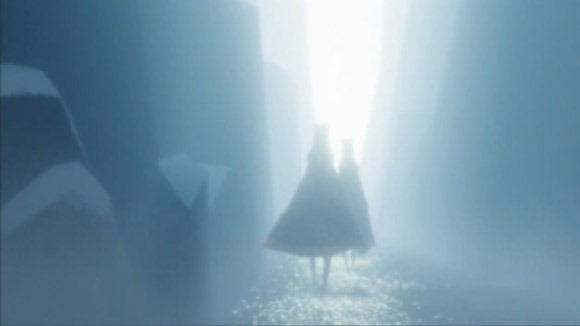
As I climbed over that first dune in the desert, I saw the mountain towering before me, eclipsing the sun’s blinding glow. The sands stretched out infinitely, the murky haze of warm air obscured my vision, and I couldn’t perceive the crevasses, towers, and valleys that laid in the wide expanse of my future. I slid down the slope, walking towards the first shrine I saw, and found a glowing insignia floating before an altar. I touched it, and a red, glowing scarf materialized out of thin air and wrapped itself around my neck. I jumped off the shrine, and gently floated, weightless, liberated and free. The scarf granted me the power of limited flight. I smiled, and hopped my first steps towards the vast monolith in the horizon. As I walked, my vision of the mountain gradually became clearer and more distinct, and I knew that I was destined to ascend it.

On my way, I met other people, also on their way towards whatever destination they were seeking. Some accompanied me, happily chirping as we hiked the desert sands, others looked away and hurried along the stony ridges. I met another cloaked traveler in the collapsed ruins of a city who decided to accompany me, a gleeful chirp and a dainty dance sealed our partnership. We ascended climbed the temple of our ancestors to arrive at a snow-covered slope. We were very close to the summit, the mountain’s peak visible behind a thin layer of clouds, and so we pushed on. As we climbed the snow-blanketed slopes, the wind began to blow. A thin layer of frost formed around my scarf and cracked away at it. We pushed on, and the wind blew angrily, pushing us backwards like an invisible force opposing us, and more of the scarf crumbled away. The wind matured into a blizzard, ice battered our bodies, freezing our cloaks. We drew close together, hoping the warmth of each other’s bodies would sustain the magic scarves until we reached the top, but gusts of snow would throw us apart. The stone dragons hungrily floated above us, waiting to strike at us in our weakness. We were tired, worn, and weary, and our strong stride slowed to a desperate crawl, each step more arduous than the last. The clouds above us congealed into a solid grey firmament, and the mountain’s peak faded away. I looked at my partner, and his head bobbed feebly as it if it was trying to make a sound, but only managed a weak moan, and crumbled into the snow, dead. Terrified, I tried to call back, but the flow of cold air into my lungs crushed me, and I collapsed onto the slope, I looked up, trying to make out the peak, but couldn’t, and died.

And I was basked by a welcome glow and a pleasant warmth. I opened my eyes, and saw my ancestors standing before me. They pulled my broken body from the ice, and gave me a new magic scarf and stepped away from me. An electrifying chill of power pulsed through my body, and I leapt skyward, through the storm layer and past the stone dragons. I pierced the cloud layer and I arrived at the summit. The sky was clear, and the warm sun cast a gentle glow upon the heavenly cloth bridges and red gates. I playfully danced across the bridges, down a slope, and over waterfalls of crashing mist, arriving at a beam of glowing dust. I flew into it and floated towards the peak, and there, my partner was waiting. A bright light and a soft breeze emitted from a great crack in the mountains peak, blowing a thin layer of snow past our feet. Our scarves crumbled away, and we walked towards the light. As we stepped into the blinding whiteness of our ultimate destiny, my partner chirped happily at me, as if to say “thank you”.

journey4
Catharsis, plain and simple.

And then Journey ended, and I sat before my television. I gripped my controller harder.

Thoughts of the life that I had lived flooded into my consciousness. The teachers that I’ve had, the friends who have loved me, and the wise family that had watched over me and lovingly watched me step forward into every stage of my life. I thought of the bridges I had burned, the relationships that I had nuked, the lies that I’ve believed, and the ways I’ve hurt and hurt-ed. I thought of the path that I chose to arrive where I was, and my nascent purpose. Then I thought about my irreversible choice to live the life of a game designer. Journey was a game that had affected me unlike any other, touching me spiritually and giving me an cherishable experience. This is the power of video games! This is what I can potentially accomplish should I take this path! This is the kind of experience I could give to my players! This is what I want to do with my brief journey through the wilderness of life! 

I received a letter the very next week. It was an acceptance letter from a college that I wanted to go to: the USC Interactive Media Division, the most renowned game school in the world and the very same program from which Journey’s creators graduated. I nodded knowingly, accepting my destiny, and took those first steps towards that mountain looming on the horizon, ready to accept the company of any strangers I would meet along the way.

Reality Ends Here – Season 3: Postmortem

105 days, 191 players, 251 projects, 648 cards, over 300,000 points.

After nearly a year of work, the third season of the Reality Ends Here game has finally come to a close. I joined the project as a narrative/puzzle designer back in January by taking the ARG practicum class, and the game has come a long way since its cloudy inception. Past iterations of the game have been incredibly successful, having won the 2012 Indiecade Impact Award and being cited by Extra Credits in their episode about games in education. The game helped me take my first steps forward into the most creative and prolific period of my life when I played it, this year’s iteration is a bit different, the air of mystery surrounding the game isn’t quite as pronounced due to a multitude of reasons, inhibiting the desired feeling of anarchic excitement critical to the game’s success.

A typical Reality Ends Here justification

Nonetheless, I’m incredibly proud of our work with this game. Reality Ends Here – Season 3 has served its purpose, connecting its players into a diverse network of friends, mentors, and rivals, changing how they go about their everyday lives at USC, bringing any given idea into oft-amazing fruition. Reality Ends Here was my favorite game of 2012, and I am incredibly grateful to have been granted the blessing of working on its next season. I hope that I have been able to create an awesome first-semester experience for this year’s Freshmen, and hope to seem them step forward into fruitful, prolific careers of courageous integrity.

WHAT WENT RIGHT

1. PROLIFIC CORE PLAYERS

In terms of players to content created, the third season of Reality Ends Here was one the most successful ever run. Over the course of eighteen weeks, over 250 projects were created ranging from the punk, to the postmodern, to the absurd. This is impressive given that the 2012 Season had approximately 196 deals and the 2011 Season had 112. The core group of players consistently put effort into their work, creating roughly a new project each week. Familiar faces were seen regularly in the Game Office, allowing us to form a relationship with our players and understand them and their work on a deeper level. A greater variety of non-film Maker cards was included in the 2013 deck, allowing players to do work in different mediums such as derives, manifestos, and zines, marked by the largest number of nondigital games to have been seen in any version of Reality. Cross compatibility with the Annenberg version of the game allowed players to explore themes and mediums left untouched in film school, expanding their horizons substantially. One of the most notable additions was a “Solo Project” Special Card, which would bestow points for working alone on a project. While this falls slightly outside of the intended aesthetic of friendly cooperation, this was a heavily used card which players enjoyed playing with.

2. RABBIT-HOLE & “ARG-SAUCE”

Outside of trading cards and “leveling up” by passing predesignated point thresholds, solving complex puzzles

Tim Taylor was an accidental element of a puzzle that evolved into a meme.
Tim Taylor was an accidental element of a puzzle that evolved into a meme in later deals

was the primary means for players to get new cards. While nothing as complex or sophisticated as Season 2’s Minecraft world emerged from this season, the seven puzzles that we did deploy sparked players imaginations and had them exploring the campus, scouring it for its secrets. Every little indication or hint that we would drop our players would quickly pick up, analyzing them and seeking meaning in the clues. One puzzle had players rearrange a set of directions on basis of Oscar History to form a map that would lead them to a secret card stash. Another had players seek out a secret phone number that they would call to receive a string of numbers corresponding to a hidden book in the library, where they would find their cards. These challenges were quite complex and were rewarded with enough cards to reenergize a players bank and put them ahead in the game. This could be disconcerting though, as the biweekly frequency of these challenges might have caused players to construe these scavenger hunts as a core mechanic of the game.

Aside from the scavenger hunts, the “Rabbit Hole” sequence, the initial week of Reality where the existence of the game is kept secret and players are challenged to discover it, was incredibly successful, if perhaps due in part to greater awareness of the game’s existence. Nonetheless, we had over eighty players signed up in the first day of the game, and the game’s first deal was submitted within the first hour of the Game Office’s opening.

3. QUALITY OF WORK

While power gaming and forced-pointsing did indeed happen with this season of the game, all players put substantial effort into almost all of their deals. Players experimented with unusual mediums that required substantial effort to pull off, such as animated shorts, Kickstarter Projects, drawn-on-films, and faux New Wave. Video-based deals were substantially longer, the longest reaching upwards of seventeen minutes. Projects made in the were submitted to festivals, and were screened in CNTV 101. One team developed a particularly distinct punk aesthetic, dealing with queer themes in all of their diverse work. Another player wrote a full season of full-length courtroom dramas. The most notable project to have emerged from the game is the UNI School of Bollywood Arts, a transmedia franchise taking place in an alternate universe where India has colonized Hollywood, resulting in a film school dedicated to Bollywood film. The franchise consisted of a successful crowdfunding campaign, a series bible, and a short film, created by a large team with a pronounced structure, complete with auditions, casting calls, and dedicated roles, resulting in likely the largest and most complex project to have ever emerged from the game. 

4. BALANCING & NEW MECHANICS

All of Reality‘s Green Maker Cards were redesigned to accommodate special challenges that could be completed for point bonuses, incentivizing increased effort and higher quality work. This resulted in better, more complex deals that were not necessarily “thrown together”. Players had a lot of fun attempting to fulfill these optional objectives and played more competitively.

One of the most controversial new mechanics was the “Scan Card”, a mysterious card which could only be acquired by solving a puzzle. The Scan Card had a QR-code, which, if played, rolled a dice and applied a random effect to the deal it was applied to. One play may double the points of a deal or win players additional cards, other plays could destroy the Scan card, reward other players points, or delay the deal’s publication to the next week, essentially making the choice of playing the card one of high risk. Players initially played the Scan Card with gusto until Logan Austin rolled the “Self-Destruct” effect, forcing him to tear apart the card. All players used the Scan Card very conservatively thereafter.

5. MINIMAL EMBEDDED NARRATIVE

The original design of Season 3 had an underlying narrative to it, aligning it with other traditional ARGs, which would be delivered through notes left by an opponent to the Reality Committee that players would discover at the end of each puzzle sequence. This entire element of the game was cut, as interacting with embedded narrative is an aesthetic of consumption, which contradicts the game’s intended goal of promoting creation, distancing players from the game’s goal of fostering creativity and collaboration within its player base. Instead, a similar narrative arc appeared emergently as previous years players would interfere with the game, granting players overpowered cards intended to be removed from the system by putting them through unusual and difficult challenges.

Nonetheless, the embedded narrative elements survived and were included into the game enhanced player’s experiences substantially. The first element was “Vintage Cards”, cards that were used in the game’s previous decades that we found and included in the game as rewards for solving puzzles. These Vintage Cards could be played like any other game card, and alluded to the game’s history of being played by students as an underground subculture.

WHAT WENT WRONG

1. DROPOFF

While the player base for Season 3 is the largest it has ever been, the drop in active players was more pronounced than we expected. The game started with a group of nearly 170 players, but dropped off substantially as the semester ramped up, going down to twenty players and ending with a core group of roughly sixteen players. While this core group was indeed prolific, it is surprising to see how drastically the number of players dropped off after the first few weeks. Substantial drop-offs have been characteristic of previous seasons of the game given the plethora of other commitments students have, ranging from fraternity commitments, to midterms, clubs, and non-game related projects, the players that do survive and remain committed and passionate about DIY-media making go on to create the game’s best content. Nonetheless, when designing future iterations of the game, Reality Game Runners should take into consideration the reasons that this phenomenon takes place and take measures to keep players engaged with playing and project-creation without compromising the game’s core aesthetics of aggressive, creative competition and self-motivated, creative agency.

2. “POINTSING”

“Pointsing” was a term that players coined to describe the forced integration of loosely-justified cards into deals in an attempt to maximize the score-value of an individual project or any other behavior that may be construed as “pushing the rules” of the game in order to maximize the score of a deal. While this behavior did create interesting dramatics and make for more competitive, aggressive play from other players, I am concerned about the effect that this behavior might have on other players. Richard Bartle’s categorization of players of MUDs posits that the behavior of different kinds of players in a game space can substantially affect the game experience for other players. “Power-gamers” that aggressively balance and min-max their builds and play styles can potentially overpower other players and make them feel impotent and powerless, disincentivizing their continued play given the knowledge that they could not necessarily match up points-wise against the other teams. While the negative feedback system integrated into the cards with the “depletion” mechanic reduced each card’s value with each consecutive use, this behavior was still present. One thing that could be done to address this issue is to better communicate the fact that the Reality Committee pick weekly winners in terms of both points and quality.

3. UNIMPLEMENTED MECHANICS & CONTENT

A plethora of mechanics, rules, and content was created for the game during the Spring Practicum. Only a fraction of that content made it into the final iteration of the season. Many of the cut elements reasonably improved or preserved the experience of the game, such as the removal of an embedded narrative, which would have detracted from the exploratory, self-motivated aesthetic critical to the game’s success. Nonetheless, out of oversight or lack of time and resources, we had to scale back on many things, such as the complexity of each of the puzzles. One of the game’s first puzzles involved cracking open a hidden safe to discover a secret cache of cards. This puzzle was scaled back due to time and budget constraints to feature only a suitcase and a combo-lock. The collectable “audio-diaries” alluding to the stories and experiences of past students and alumni of SCA were cut entirely, instead, we included artifacts from the game’s past: a collection of “vintage cards” from prior decades runs of the game, a grainy image of the Bullpen as it existed in the forties, a blurry photograph from last year’s Wrap Party.

Perhaps the mechanic that we most unfortunately left out was the inclusion of “weekly challenges” that players can undertake for special bonuses. Shoot a deal using only a cell-phone camera, shoot on 35mm film, collaborate with someone you’ve never worked with before. These special challenges would have shook up the game substantially and kept players on their toes, constantly experimenting and trying out new methods of media-making.

4. CHAOTIC SCHEDULING

Season 3 of Reality Ends Here was run entirely by three people with the intermittent involvement of the Reality Committee. Esteban Fajardo and I were Game Runners and Simon Wiscombe was Game Master. Esteban and I both have full eighteen-unit class schedules and are working on Advanced Game Projects, limiting our availability in the office during the week’s peak periods and ability to create complex, involving challenges that multiple groups of players can engage with. One particularly rough scheduling fiasco occurred during a “Double Points Week”, wherein the points value of all submitted deals is doubled, incentivizing players to create and submit as many projects as they can during that week. I was running playtests for an Intermediate Games Project as part of my Usability Testing Class on the Friday of that week, preventing me from being available at the Game Office on that day, forcing me to ask last year’s Game Runners to substitute for me and run justifications.

5. TECHNOLOGY

We revamped the entire Reality Ends Here website in order to streamline the process of submitting and justifying deals, and for the first few weeks of the game, the new site served its purpose admirably and effectively. But past the mid-game and escalating throughout the entirety of the late-game, the website started exhibiting serious issues. Entire submissions were lost and had to be redone again, the site would lag and stutter at the most inappropriate times, players who changed their account names found themselves with multiple accounts, each with its own score on the leaderboard, and players would find themselves inexplicably in the lead with tens of thousands of points, or suddenly lose all their points. While the site is effective and usable from the front-end, it would be important to look into improving the sites stability in the next season of Reality Ends Here.

CREDITS

Designed by:
The Reality Committee

Season 3 Game Master:
Simon Wiscombe

Season 3 Game Runners: 
Kevin Wong and Esteban Fajardo

Season 3 Backup Game Runners: 
Michael Effenberger, Will Cherry, Althea Capra

Download the Game Master’s Manual at
http://realitycommittee.org

My Favorite Games of the 7th Generation (Part 1)

And that’s a wrap, the atypically-long seventh console cycle has concluded. And what a turbulent trip it was between the Autumns of 2006 and 2013.

In these seven years, we’ve seen massive consolidation within the AAA sector of industry, marked by a wave of studio closures and layoffs, resulting in the rise of the indie game and the burnout of trends such as plastic instruments. This change has fundamentally altered the way the gaming industry works from its core, the influx of ex-AAA developers and game school graduates and their experimental ideas has led to the flourishing of a new avant-garde facet to gaming. The explosion of casual gaming with the Wii and iOS has put to death the outdated, stereotyped notion of the “gamer” as the poorly socialized, unhygienic, teenage boy, and has connected players of games into a wide and all-welcoming community of play.

Prior to this console cycle, IndieCade did not exist as it does today

And as a maker of games, this cycle is particularly interesting since it marks the point in which I crossed the threshold demarcating the separation between player and designer. This is a phenomenon that happens to artists from any medium: you see the ingredients that go into the sausage, and never see or enjoy it in the same way again.

I can no longer “play” games, but rather I study them, deconstruct their systems, interconnected rings of feedback loops, intricately detailed and shaded texture bakes, systems of representation meaningful under only the right cognitive frame, systems of metacommunication, narrative delivery, metacommentary, the achievement of a win-state as an ideal condition that could be dangerously exploited to discourage playful experimentation within a possibility space. I can no longer enter that same magical state of investment that I experienced playing through the seminal Metroid Prime and can only appreciate and acknowledge the care and consideration poured into a game.

Don’t call any of these “The Citizen Kane of Video Games”

To this extent, this list is incomplete and disjointed, as they represent two radically different points of view that I held in that seven year period. One is that wide-eyed sense of wonderment, the young teenager, discovering the joy of movement in Super Mario Galaxy and dancing through its cosmic obstacle courses. The other is that of the designer, studying The Last of Us and how its resource-management systems created a suffocating sense of disempowerment apropos to its post-apocalyptic narrative. It wasn’t easy choosing these twelve games, and I had to put aside great games like Minecraft, The Unfinished Swan, and Zelda: Skyward Sword, but here are those games that impacted my life, inspired me, and changed me in some significant way. None of these games are perfect, and many of them are glaringly flawed, but these are important because they’re important to me personally. 

12. Batman: Arkham Asylum

Batman: Arkham Asylum was the first HD game that I had ever played, the first game I played on my Playstation 3, and was the best Metroid game that I played this generation. Structurally, the game revolves around traversing through a massive 3D environment. Players are limited in their mobility and access at the start of the game, and must explore the environment to acquire suit upgrades that would give them new methods of traversal, allowing them to access new areas that held ever more secrets, upgrades, and enemies. Structurally, its a game that’s easy to get lost in, every new item opens up a wide array of possibilities for exploration and combat.

Batman: Arkham Asylum was special because it was a paragon of adaptation.

And to speak of Arkham Asylum‘s combat is to do it an immense injustice. Hand-to-hand combat animates beautifully, turning fights against anonymous grunts into beautiful, brutal, dances of muscle, cape, and concrete. The simplistic, four-button system is simple to learn, but possesses a rhythmic flow between punches, stuns, dodges, and counters that make the system exciting to engage with. And those mechanics are only available if the player chooses to engage with enemies in that way: stealth is just as engaging and empowering system as brawling. Between hiding on gargoyles, pouncing on enemies, setting up explosive traps, or pulling them into air ducts by distracting them with a batarang, acting as a silent predator is as empowering as you’d expect it to be. The visible terror that enemies exhibit feeds a visceral, sadistic thrill seen only in other, more morally problematic games. These mechanics all lend the game an authenticity to the source material unseen in myriad other licensed games.

And that’s to say nothing of Arkham Asylum’s representational elements. Arkham Asylum is a veritable encyclopedia of Batman lore, and villains from Zsasz to Scarecrow will confront Batman. The Riddler also brings a hidden-object aspect to the game, challenging Batman to find an object in each room of the facility that relates to some of the most obscure Batman lore out there. Kevin Conroy and the ubiquitous Mark Hamill, who voiced Batman and the Joker in Justice League and the 1990s animated series, lend their talent to the game. Simply put, Arkham Asylum works well as an paragon of adaptation, effortlessly translating the verbs, nouns, and adjectives of Batman’s print and screen presence to an interactive medium.

11. Team Fortress 2

One thing that’s problematic when designing co-operative or team-based games is making each player feel like his/her contributions matter to the team. If a player feels useless, or worse, a liability to the team, then a game is poorly balanced and heavily problematic. This is a huge issue facing Dungeon Masters of Dungeons & Dragons games, as rule-exploiting power-gamers can easily ruin the game for players less interested in the simulation of combat, reducing their feeling of agency and potency. Shooters like Call of Duty and Battlefield suffer from this issue too, as negative feedback systems reward the other team for getting kills, thereby placing a large, team-affecting punishment for death. To this extent, many competitive team-based games fail at this aspect of design, and end up creating hostile communities that leave newbies no place to start.

Team Fortress 2 was special because it possessed a sense of unity and cooperation unique amongst other shooters.

This isn’t a problem for Team Fortress 2 however, and just by simply playing their role in the battlefield, even at an adequate level, players feel like they’re making important, game-changing contributions to the success of their team. This all stems from the design of Team Fortress 2′s nine player classes, their movement speed, weapons, and skills effectively restrict their abilities to only one mode of play, lending each class a design affordance that makes their particular role on a team obvious. Play as the Pyro and your role on the team is made immediately obvious from his small size, short-ranged splash attack, and the tendency of other players to back away from him. Conversely, the Spy’s abilities and weapons restrict his efficacy to stealth, placing in his hands the daunting task of sneaking behind enemy lines and breaking their defensive strategies. The interplay of these diverse classes create an incredibly deep and accessible tactical shooter, creating an unparalleled sense of unity and cohesion during play, culminating in the cathartic thrill of victory, feeling satisfied with the knowledge that you played an integral part in achieving that win.

10. Mass Effect 2

Star Wars and Star Trek came before my time, and I missed Firefly when it was originally aired, so growing up, I had no epic space-opera to anoint as part of my upbringing, but Mass Effect works as a nice substitute. Simultaneously a pastiche of every beloved science fiction franchise ever and a wildly original, extremely imaginative series of its own, Mass Effect welcomed me into an intricately textured and wonderfully flavorful universe filled with strange creatures and memorable worlds, which served as the ideal setting for a traditional monomythic adventure.

Mass Effect 2 was special because it was simultaneously giddily-imaginative, and a pastiche of every great science fiction adventure before it.

There’s a race of colossal aliens called the Reapers who visit the Milky Way every 50,000 years, annihilating all sentient life on their way. Commander Shepard discovers their existence in a vision that she had while examining an ancient artifact on Eden Prime, and must convince the Council of their existence. On the way, her ship is destroyed by a massive, insectoid ship but she is saved by the Human Supremacist organization Cerberus, and sent to explore the galaxy gathering allies to discover the secrets of that mysterious ship and its occupants. This compelling premise is made interesting by the diverse range of characters that Shepard comes across on her journey. While not every one may be inherently likable, it is impossible to come away from an interaction with a character without having formed a solid opinion about them.

As Shepard expands her crew, she must deal with racial and ideological conflicts amongst them, testing the player’s leadership and decision-making skills. The core mechanic of the Mass Effect games is talking, which is only fun when deployed with interesting characters, and Mass Effect 2 delivers them in droves. Who can forget Garrus’s darkly justified vigilantism, or how under Mordin’s hyperactive, geeky exterior lived guilty conscience over letting genocide happen. In Mass Effect 2, player’s behavior affects characters and changes them fundamentally, encouraging them to grow or change through one’s leadership style allows for some of the most engaging role-playing seen this generation.  

9. The Elder Scrolls V: Skyrim

When the player escapes his execution and leaves the opening dungeon in Skyrim, he is hit with the jarring realization of the sheer enormity of the game’s possibility space. While the game privileges violent play styles with a substantial amount of combat mechanics and equipment, the variety of hats the player can wear with those core mechanics makes for very engaging role-playing. With the right character builds, Skyrim can be anything from a stealth game about infiltrating wealthy houses and making off with valuable loot to sell to the poor, to a Harvest Moon-esque farming simulator, to a mountain-climbing action game. While the game is indeed content heavy in terms of potential questlines and scripted set-pieces, Skyrim‘s rules create a wide-open sandbox for playful experimentation and exploration.

Skyrim was special because its structure promoted playful experimentation and exploration within its virtual space.

The vastness of the possibility space make Skyrim the perfect game of abnegation. For the past year, Skyrim has been my go-to game for times when I’m too sick or tired to invest myself in anything more complex. Raid a dungeon, hunt some monsters, fight crime or cause it, explore the sandbox and play with its rules and constraints for as long or short a time as you want. Whatever you do, you’ll probably discover something interesting to have fun with, like cabbages.

8. Super Smash Bros. Brawl

Super Smash Bros. is a social ritual, to be performed every other Friday afternoon in the company of new friends. Observe how they play, and learn something about that person: “Where did he play this game before?”, “What kind of people did he play this game with?”, “Were they his friends? Are they still now?”, “What did they teach him? How may he be similar or different to me?”.

Super Smash Bros. Brawl was special because it was universally adored and understood by nearly everyone I met.

I’ve met gamers from places as diverse as Colorado to Ecuador, and almost all of them have played Super Smash Bros, imparting their distinct choices of moves, characters, and strategies into every match I’ve shared with them. “Why is my opponent playing so aggressively as Ike? Did the friends that he played with back home always resort to the same craven defensive tactics?” “Why does this player insist on spamming bombs as Link? Why would he so cowardly attack from afar whilst avoiding actual confrontation?” The language and play of this game is almost universal, and the context in which Super Smash Bros. is played at home informs people’s playstyles, and the exchange of blows between players from different families, different communities, and different cultures exhibits the sheer diversity of mentalities that players bring into Smash Bros.‘s magic circle, and acts as a testament to the depth contained in this simple, cartoony party game.

6. World of Goo

The first thing I found remarkable about World of Goo was the story behind it. Two guys made this game! They barely had any funding! Their office was whatever free wi-fi coffeeshop they’d walk into that day! All of a sudden, video games, these monolithic electronic products made by megalithic corporations you’d hear about in the Wall Street Journal, had indies. 

To my 14-year old mind at the time, the thought was mind-boggling: people made games. These weren’t companies with knowledge of the arcane, recondite, secrets of the Wii and a relationship with Nintendo arranged by armies of lawyers, but people, individuals that I could become like. If they could make a successful game on their own, what was there to stop me from doing the same? Soon afterwards, I began researching. I read articles, books, postmortems, reviews, anything I could get my hands on, and in time, I began writing. I started doing reviews and opinion pieces on my own blog and the school newspaper about games, and in a little corner of my computer, I began writing and sketching together documents and maps for my own game.

World of Goo was special because it taught me that anyone could make games.

And that’s to speak only of its development story and the impact it had on me as a person. World of Goo is a fantastic puzzle game with a cute, yet, forlorn and lonely aesthetic. Players construct structures out of goo balls in an attempt to bridge one part of the level to the other, while having enough goo balls left to complete the level and its OCD objective. The physics-based mechanics encourage experimentation with the properties of each kind of goo ball, and combining them in creative ways creates a Portal-like sense of trial-and-error characteristic of the very best linear puzzle games.

Come back again tomorrow for the rest of the list.

EDIT: Wrote up a draft of the post, Evernote account broke, lost all that text. Post will be delayed. Come back next week. 

New Stuff Incoming

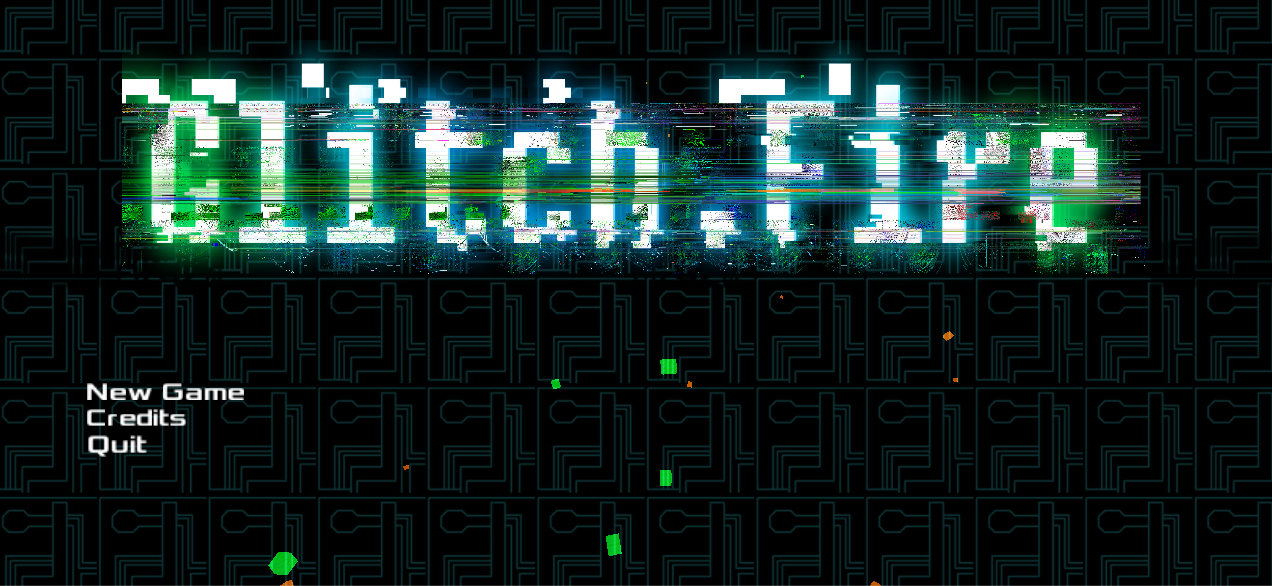
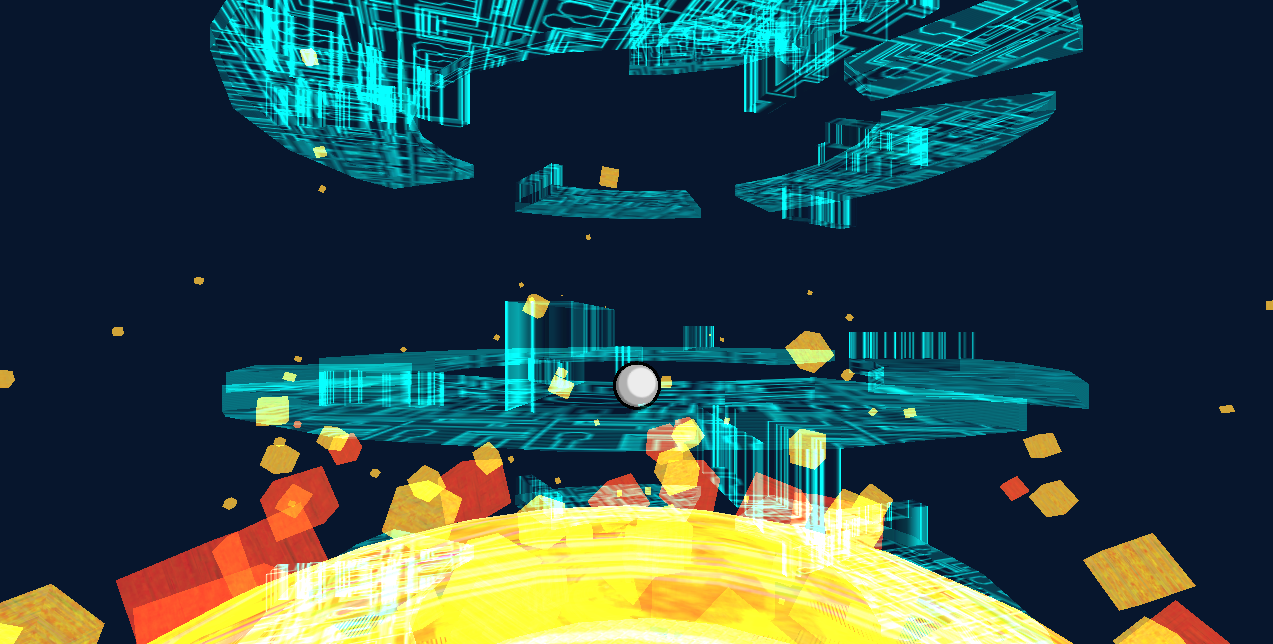
I know I’ve been quiet on this site for a while, mostly because I’ve been busy working on multiple games simultaneously, namely, the third season of Reality Ends Here, a 2D platformer inspired by glitch art and data bending, and a series of three analog games developed over a series of three-week sprints. I’ll also be community managing The Maestros’ alpha. Once the semester subsides, I’ll update my portfolio so you can download and play these games.

Screenshot 2013-11-17 13.36.39

Screenshot 2013-11-17 23.49.14

IMG_3965

IMG_3910

IMG_3476

IMG_3456

IMG_3446

The Stanley Parable

Image
Look! 

I don’t have the time to analyze and study it in detail, but I wholeheartedly recommend that everyone play The Stanley Parable. It takes the metacommentary on game form, autonomy, and narrative structure that I discussed in my article on Bioshock Infinite and my article on Postmodern Games and runs with it to hilarious heights. Its one of the most clever and subversive games that I’ve played in recent years. If someone doesn’t beat me to it, I’ll work on putting out an in-depth analysis of it. 

IndieCade: Celebrating the Love of Games

IndieCade, “the Sundance of video games”, is the largest festival of alternative, independent, and fringe games in the world, and exists as a celebration of the medium’s creativity and innovation. I attended all four days of the festival, including the closed-doors award’s ceremony at the Museum of Contemporary Art.

There’s something to be said about this year in video games, that it’ll be looked back upon as something special. 2012 brought Kickstarter games like FTL to the limelight and was headlined by Journey’s high honors at practically every possible awards show that it was eligible to partake in, giving us a taste of the paradigm shift that was about to come this following year.

USC Interactive at IndieCade!

In 2013, a tiny game jam game went viral and became one of the year’s most unexpected phenoms. A higher form of games criticism, spearheaded by queer writers, emerged from the underground. An Experimental Gameplay Workshop in San Francisco filled an entire auditorium. An unknown poverty simulator by a videogame zinester won grand prize at the IGF, before its recognition was passed onto a surrealistic text adventure by a transgender interactive-fiction writer. Story-driven AAA games from Irrational and Naughty Dog ventured into new thematic areas such as the illusion of autonomy in game narratives and the social ramifications of Christianity’s central narrative. A new genre rooted in the mid-2000s mod-scene matured to create an American eSports scene comparable to Korea’s. Major console manufacturers aggressively reach out to new studios. New devices provide entirely new methods of play and open up entirely new worlds of design, and middleware like Unity has lowered the entry-bar to development and powered wonderful games like Kentucky Route Zero and Gone Home. There is much to celebrate about games this year, and IndieCade was the place for that to happen. This year’s GDC was filled with an ecstatic energy of anticipation, of people waiting to write the story of a nascent Renaissance. IndieCade however, was a thunderous roar, echoing into the mountains and shaking the earth with love and energy.

The magical realist adventure game Kentucky Route Zero won the award for visuals and narrative, completely deserved too, its paper cut aesthetic evokes a nostalgic sense of Americana without once ever becoming kistchy. Gone Home brought home honors for sound, its creaky, creepy hallways channel the dreadful feeling of walking through one’s basement at night. Brendon Cheung’s hacking adventure Quadrilateral Cowboy won the Grand Jury Award. Tracy Fullerton, the head of the USC Interactive Media Division, received the trailblazer award for her pedagogical work in game design education, her textbook Game Design Workshop respected and studied industry-wide and her pedagogy building the foundation for the teams behind games such as Journey and The Unfinished Swan. Which makes me feel incredibly honored to study games within the division.

Killer Queen
Killer Queen

Numerous visionaries scurried around the festival, and IndieCade’s celebratory, casual tone made them much more approachable than they were a few months earlier at GDC. I was able to talk to and attend talks by people like Mattie Bryce and Ian Bogost, as well as chat about game development and self publishing with each of the award winning game designers.

Corporate sponsors were there showing off their new indie outreach efforts, most notably, Nintendo and Sony, as well as Ouya and Oculus. Nintendo demoed the Wii U dev kit’s integration with Unity and the Nintendo Web Framework and gave away free information packets about self-publishing on the eShop as developers showed off their Wii U work at nearby booths. Indie devs are the most interesting and friendly group of people around, and I chatted for nearly an hour with Tulio Adriano Gonçalves, who created a sixty-hour homebrew RPG for the Sega Genesis in 2010 and Kickstarted a remake for the Wii U just last year about the design and aesthetic influences of Chrono Trigger on traditional RPG design. At the Sony tent, I played a few PS4 games like the ridiculous and deep Divekick and the beautiful, particle-laden ResoGun, the console’s controller is fantastic, making numerous changes to the pad’s fundamental design to make it ultimately more ergonomic to the touch. 

I call it the "IndieCage"
I call it the “IndieCage”

Night Games, the festival’s slot for installation games, was particularly memorable. A 10-player arcade cabinet RTS-platformer hybrid called Killer Queen was particularly addictive, causing raucous arguing and laughter within the group I played with. Edgar Rice Soiree, an installation game much like Twister, created a jungle of hundreds of hanging PS Move controllers and had players swing through them in a graceful, calming dance. SoundDodger was another physical game that had its players dance, as players dodged incoming bullets from the ground while clapping to slow time. Another installation game was the Hearst Collection, which I was unable to play, a game that tasked players with navigating a maze of lasers to steal a painting. One VR installation that I was unable to try I dubbed the “IndieCage”, a spherical cage in which players would walk about in while wearing an Oculus Rift, allowing for players to walk about virtual game spaces. Very cool stuff.

My time at the festival concluded at the Audience Awards Ceremony, where my friends and I started an impromptu dance party as Richard Lemarchand DJed.

IndieCade is more than a professional conference, or gaming convention, or networking event. IndieCade is not precisely the place to exchange business cards or make professional contacts. IndieCade is a celebration. A celebration of the love that we have towards this craft and each other. IndieCade isn’t about working towards becoming a better games professional, but rather about partaking in that elusive verb that we’re called upon to invoke: play. IndieCade is the place to laugh and love, to gather around a common passion and that which is meaningful to us. Given that so many of gaming’s major events are professional or business-facing, IndieCade’s joyous playfulness is exactly what we need to remind us of our place in the world.

The Phil Fish Narrative

I’ve been trying to keep out of the drama surrounding Phil Fish’s decision to leave the industry since the incident occurred a few weeks ago, mostly because I found it to be filled with emotionally divisive invective not conducive to respectful dialogue coming from both sides (and having encountered him twice at Indiecade and the Experimental Gameplay Workshop at GDC, man deserve his privacy). While a much ink has been spilled on the topic of how public industry figures should behave online and online harassment, I think there’s an interesting side to the story that has been overlooked over the last two weeks.

In the wake of Michael Phelps’s record breaking run at the 2008 Summer Olympics, public pools filled up faster than ever before, and people of all ages who had no prior interest in the sport took up athletic swimming. Much of this owes itself to the wealth of media coverage on Phelps’ life story and his history with the sport. The story that Phelps spun that Olympics had touched and inspired people, and incredible careers might have started because of it.

Phil Fish's story was my personal favorite from Indie Game: The Movie.
Phil Fish’s story was my personal favorite from Indie Game: The Movie.

Celebrity is a crucial part of professional sports because people like narratives. The story of how a kid from an impoverished rural family became a soccer legend through practice and hard work speaks powerfully to our collective societal subconscious, and stories like Phelps’ tell us that anyone can realize their dreams should they live purposefully. That same underdog narrative can be observed everywhere:  think of Steve Jobs’ story, or Aerosmith’s, heck, even the Biblical story of David and Goliath. The narrative of an individual’s overcoming of great obstacles to achieve greatness is incredibly appealing, and movies like 42 and even The Social Network told roughly that same story about the trials and tribulations that their protagonists go through to realize their destiny. In a way, these real-life “career stories” resemble the “Hero’s Journey” narrative espoused in films like Star Wars and The Lord of the Rings.

This is why Phil Fish’s departure from the industry is absolutely tragic. Phil Fish lived out and documented the kind of underdog struggle that’s core to sports narratives. Corporate figureheads like Gabe Newell and Reggie Fils-Aime tell few of their stories to the world and nonetheless receive a monumental level of adoration. These executives are not here to tell an inspiring story of success and struggle, but rather relay information about upcoming releases to potential customers. This narrative is entirely a consumeristic one, nobody is going to be inspired to make games because of announcements about the release dates of Half-Life 3 or Super Smash Bros. Phil Fish shared his vocal opinions and uphill battle in Indie Game: The Movie and on Twitter, and people were brought into his story and supported him as he inched towards Fez’s release.

Fez was great because its joyously cryptic design imbued it with a childlike sense of wonder.

The average industry lifespan for a game developer is around five years, and Phil lasted far beyond that short period of time under duress greater than what most developers face. While I’m sure that moving stories about great careers are scattered everywhere in this industry, Phil’s was more closely documented and engaging than anything you would find in Harold Goldberg’s All Your Base Are Belong to Us. The story of him overcoming a monumental series of obstacles both personal and legal to release the incredible Fez is the kind of narrative that inspires people to go out and chase their dreams of making games. If the underdog narrative of one of the industry’s most inspirational visionaries concludes with him quitting the industry because of harassment, what kind of message does that send to aspiring developers?